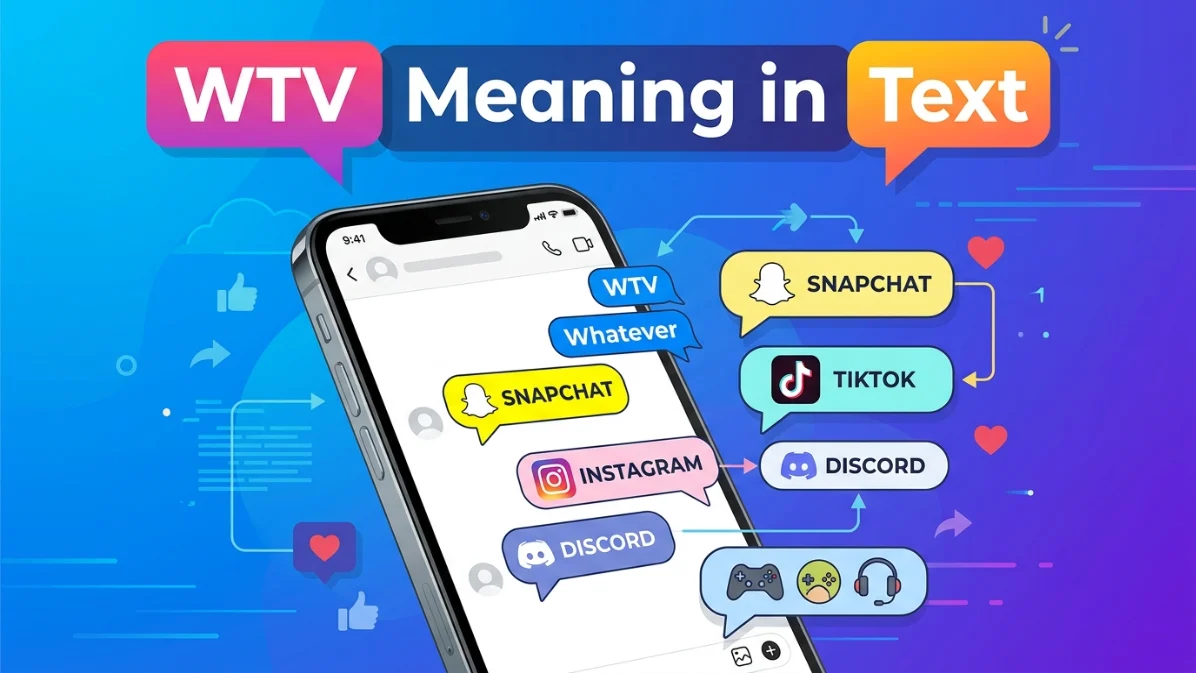

Ever received a text that simply says “WTV” and wondered what the person really meant? You are not alone. WTV usually means “whatever” in texting, chats, and social media. It is a short, informal expression often used to show indifference, acceptance, or a casual attitude.
But there is an important detail. WTV does not always carry the same tone. A friend may use it playfully. Someone else may use it to end an argument or signal that they do not want to continue the conversation. Context, punctuation, and the relationship between the people can all change the meaning.
This guide explains the WTV meaning in text using common English texting and social-media usage. It also separates the standard slang meaning from context-dependent uses, so you can interpret the abbreviation more accurately.
You will learn what WTV stands for, how it is used on Snapchat, TikTok, Instagram, WhatsApp, and other platforms, plus real examples and natural ways to reply. By the end, you will know exactly what “WTV” means and when it may sound casual, dismissive, or even rude.
What Does WTV Mean in Text?
The most common WTV meaning in text is “Whatever.”
People use it as a shorter and faster version of writing the full word. Depending on the conversation, it can sound relaxed, playful, sarcastic, annoyed, or completely indifferent.
Instead of typing:
“Whatever.”
Someone simply writes:
“WTV.”
Because texting is all about speed, abbreviations like WTV save time while keeping conversations casual.
Simple Definition
WTV = Whatever
It usually means:
- I do not mind.
- Anything is fine.
- It does not matter to me.
- I have no strong opinion.
- I am done arguing.
The exact meaning depends on the tone.
Example 1
Alex: Which movie should we watch?
Sam: WTV. You pick.
Meaning:
“I am happy with any choice.”
Example 2
Emma: You never listen.
Jake: WTV.
Meaning:
“I don’t want to continue this conversation.”
Notice how the same word changes meaning based on context.
Why People Use WTV
People like using WTV because it is:
- Short
- Easy to type
- Common on mobile phones
- Popular with younger generations
- Recognized across many social platforms
Background and History of WTV
Unlike traditional dictionary words, WTV was born from internet culture.
During the late 1990s and early 2000s, text messaging had character limits. People began shortening common words.
Examples included:
- LOL
- BRB
- OMG
- IDK
- TTYL
Later, smartphones and social media made abbreviations even more popular.
“WTV” naturally became the shortened version of “Whatever.”
The abbreviation gained popularity through:
- SMS texting
- MSN Messenger
- AIM chats
- Facebook Messenger
- Snapchat
- Discord
- TikTok
- Online gaming
Today, millions of users write WTV every day.
Young people especially prefer quick replies instead of long sentences.
The meaning has also evolved.
Originally it simply meant:
“Whatever.”
Now it can also express:
- Indifference
- Frustration
- Agreement
- Emotional distance
- Casual acceptance
Tone determines which meaning is intended.
How WTV Is Used in Different Situations
WTV in Text Messages
This is the most common usage.
Example:
Friend: Pizza or burgers?
You: WTV.
Meaning:
“I am okay with either.”
WTV on Snapchat
People often use it during streak conversations.
Example:
Friend: Want to snap later?
You: WTV.
This usually sounds relaxed.
WTV on Instagram
Instagram comments often use WTV when reacting casually.
Example:
“This trend is wtv.”
Meaning:
“It is nothing special.”
WTV on TikTok
TikTok users frequently comment:
“WTV lol.”
This usually means:
“It is not that serious.”
WTV in Gaming
Gamers sometimes use WTV when they do not care which strategy is chosen.
Example:
Player 1: Attack left?
Player 2: WTV.
Meaning:
“Either works.”
WTV Among Friends
Friends often use it jokingly.
Example:
Sarah: Ice cream?
Amy: WTV. I’m hungry.
Common Misconceptions About WTV
Many people think WTV always sounds rude.
That is not true.
Its meaning depends completely on context.
Misconception 1
WTV always means anger.
Reality:
Sometimes it simply means:
“I do not mind.”
Misconception 2
WTV is offensive.
Reality:
It is not offensive by itself.
However, it can sound dismissive if used during an argument.
Misconception 3
Older people never use WTV.
Reality:
While younger users use it more often, anyone familiar with internet slang may use it.
Misconception 4
It only means Whatever.
Reality:
It can express several emotions.
Including:
- Agreement
- Indifference
- Frustration
- Acceptance
- Giving up
Similar Terms and Alternatives
Several internet abbreviations express similar feelings.
| Term | Meaning | Tone |
|---|---|---|
| WTV | Whatever | Neutral |
| IDC | I Don’t Care | Stronger |
| IDK | I Don’t Know | Uncertain |
| NVM | Never Mind | Ending topic |
| Meh | Not impressed | Bored |
| Fine | Accepting | Neutral |
| Sure | Agreement | Friendly |
| Up to you | Your choice | Polite |
Which One Should You Use?
- Use WTV when you want to sound casual.
- Use Up to you in professional settings.
- Use Sure when you want to sound friendlier.
How to Respond to WTV
Understanding the tone helps you reply appropriately.
Casual Response
Friend: WTV.
You: Cool. Let’s do pizza.
Funny Response
Friend: WTV.
You: Great. I choose pineapple pizza then.
Professional Style
If someone writes:
“WTV.”
Reply politely.
Example:
“No problem. I’ll make the final decision.”
Privacy Conscious Response
If the conversation feels uncomfortable:
“I understand. Let me know if you change your mind.”
Friendly Response
“No worries. Either option works.”
Regional and Cultural Differences
WTV is mainly used in English speaking countries.
These include:
- United States
- Canada
- United Kingdom
- Australia
- New Zealand
However, internet culture has made it global.
Many non native English speakers also use WTV while chatting.
In some countries, users mix WTV with local languages.
For example:
“WTV yaar.”
Or
“WTV bro.”
This mix is common in South Asia.
Different cultures may interpret WTV differently.
Some view it as casual.
Others may consider it dismissive.
Understanding local communication style is important.
WTV Compared With Similar Expressions
| Expression | Meaning | Emotion | Formal? |
|---|---|---|---|
| WTV | Whatever | Neutral | No |
| IDC | I don’t care | Strong | No |
| Fine | Accepting | Calm | Sometimes |
| Up to you | Your decision | Polite | Yes |
| Sure | Agreement | Friendly | Yes |
| Meh | Not interested | Negative | No |
| Doesn’t matter | Neutral | Calm | Yes |
The biggest difference is tone.
WTV often sounds shorter and more casual.
WTV on Social Media, Dating Apps, and Online Communities
Tinder
Someone may write:
“WTV you’re comfortable with.”
Meaning:
“They are flexible.
Twitter or X
People use WTV while sharing opinions.
Example:
“WTV happens happens.”
Discord
Gaming communities use WTV frequently.
Example:
“WTV team wants.”
Users may write:
“WTV works.”
Meaning:
Any solution is acceptable.
TikTok
Comments often include:
“WTV.”
To express indifference toward trends or opinions.
Tips for Responding
- Read the conversation first.
- Understand the tone.
- Avoid assuming anger.
- Reply politely.
- Ask for clarification if unsure.
Does WTV Have Hidden or Offensive Meanings?
Generally, no.
WTV simply means “Whatever.
However, tone changes everything.
During arguments:
“WTV.”
May sound like:
“I don’t care anymore.”
Or
“This conversation is over.”
That can appear rude even though the abbreviation itself is harmless.
There are currently no widely recognized offensive hidden meanings for WTV.
Always consider:
- Tone
- Relationship
- Situation
Is WTV Appropriate for Professional Communication?
Usually no.
Professional communication values clarity.
Instead of writing:
“WTV.”
Use:
- Either option works.
- I have no preference.
- Your recommendation is fine.
- I trust your judgment.
- Please choose whichever is appropriate.
These alternatives sound respectful and professional.
Reserve WTV for:
- Friends
- Family
- Casual chats
- Gaming
- Social media
Frequently Asked Questions
What does WTV mean in texting?
It usually means Whatever.
Is WTV rude?
Not always. It depends on the tone and conversation.
What does WTV mean on Snapchat?
It normally means “Whatever” or “I’m okay with anything.
What does WTV mean on TikTok?
Users often use it to show indifference or casual agreement.
Can WTV mean “I don’t care”?
Yes. In certain situations, it can express that feeling.
Is WTV professional?
No. Formal communication should avoid internet slang.
Should I use WTV with my boss?
No. Use complete sentences instead.
Conclusion
The WTV meaning in text is simple once you understand the context. Most of the time, it stands for “Whatever,” but the emotion behind it can range from friendly agreement to frustration or complete indifference. That is why reading the conversation and paying attention to tone is essential before reacting.
Today, WTV is widely used in texting, Snapchat, Instagram, TikTok, Discord, gaming chats, and other online communities because it is quick, convenient, and familiar to internet users. While it works well in casual conversations, it is generally not suitable for professional communication.
The next time someone sends you “WTV,” you will know exactly what they probably mean and how to respond naturally. Understanding modern internet slang like WTV helps you communicate more confidently and avoid common misunderstandings online.