Essential Things to Know When Becoming a Manufacturer
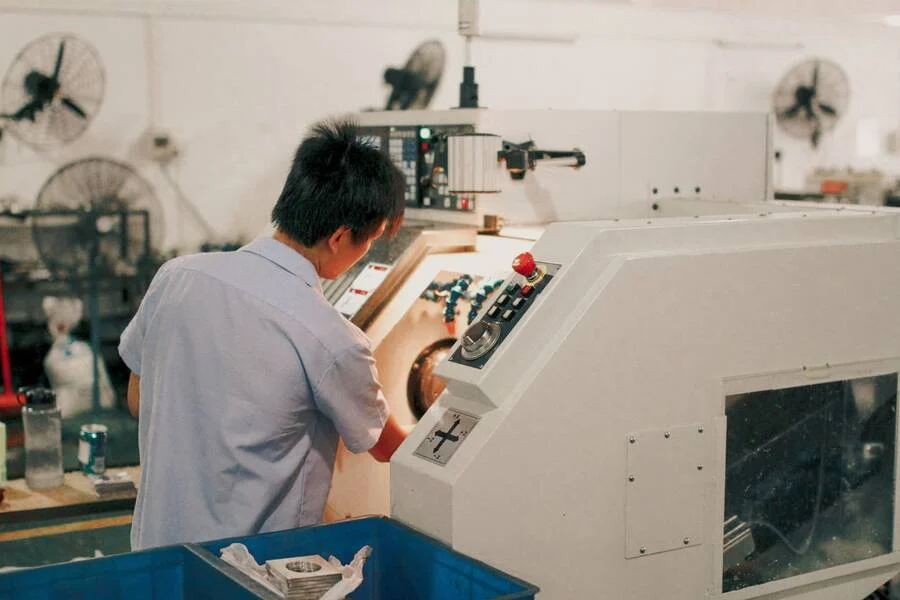
Starting a manufacturing business requires careful planning and a clear understanding of the industry landscape. Many aspiring manufacturers underestimate the complexity of operations, regulatory requirements, and capital investment needed to launch successfully. Whether you’re planning to manufacture consumer goods, industrial products, or components for other businesses, knowing the fundamentals upfront can help you avoid costly mistakes and build a sustainable operation. This article covers the critical knowledge areas every new manufacturer should master before opening their doors.
Understanding Manufacturing Costs and Capital Requirements
Manufacturing operations demand significant upfront capital investment, which is often the first reality check for new entrepreneurs. Equipment purchases, facility leasing or purchase, and working capital for raw materials represent major expenses that must be carefully budgeted. Beyond the obvious costs, you need to account for machinery maintenance, tooling, spare parts inventory, and technology infrastructure. For example, a small food manufacturing facility might require commercial-grade ovens, mixing equipment, and packaging machinery that easily cost tens of thousands of dollars. Understanding your total cost of ownership, not just the purchase price of equipment, ensures you don’t run out of money during your first year of operations. Additionally, many manufacturers need 6 to 12 months of operational expenses reserved as a safety cushion.
Navigating Regulatory Compliance and Licensing
Every manufacturer operates within a complex web of federal, state, and local regulations that govern everything from product safety to environmental impact. The specific regulations you must follow depend on your industry, product type, and location, so thorough research is essential before you begin operations. For example, food manufacturers face FDA oversight and health department inspections, while textile manufacturers may need to satisfy both occupational safety requirements and environmental regulations for chemical disposal. Environmental protection agencies can require permits for waste disposal or emissions, and labor laws mandate safety standards, worker compensation insurance, and wage compliance. Failing to understand and implement these requirements can result in fines, production shutdowns, or legal liability. Consulting with an attorney or regulatory specialist during your planning phase is a worthwhile investment that prevents expensive problems later.
Managing Supply Chain and Inventory Strategy
A reliable supply chain forms the backbone of any successful manufacturing operation, and poor management in this area can quickly derail your business. You must establish relationships with multiple suppliers for critical raw materials to avoid dependency on a single source that could leave you stranded if problems occur. Inventory management requires balancing between having enough stock to meet production needs and tying up too much capital in materials that sit unused. For example, a consumer products manufacturer needs to forecast demand accurately and coordinate with suppliers so raw materials arrive just before production begins, minimizing storage costs while maintaining production schedules. Supply chain disruptions, quality issues with suppliers, and logistics delays are common challenges that require contingency planning. Building strong supplier relationships, negotiating favorable payment terms, and maintaining safety stock of critical items creates resilience in your operations.
Assembling the Right Team and Managing Production
Manufacturing success depends heavily on finding skilled workers and managers who understand production processes, quality control, and equipment operation. The specific skill sets you need depend on your manufacturing type, but most operations require production supervisors, quality control specialists, maintenance technicians, and operators with technical training. Training programs, whether through community colleges or vendor partnerships, help you develop your workforce before operations begin. For example, precision manufacturing might require workers trained on computer numerical control machines, while beverage manufacturing requires expertise in sanitation, filling equipment, and product consistency. Beyond hiring, you need clear production systems, documented procedures, and quality control protocols that ensure consistent output and reduce defects. When tracking production workflows and coordinating real-time data across the shop floor, a manufacturing execution system helps production managers monitor progress, identify bottlenecks, and maintain schedule adherence across all operational stages. Investing in employee safety training and creating a positive workplace culture improves retention and productivity over time.
Planning for Quality Control and Testing
Quality control is not something you add after manufacturing starts; it must be built into every step of your process from raw material inspection through finished product testing. Establishing quality standards, creating testing procedures, and implementing inspection checkpoints prevents defective products from reaching customers and damaging your reputation. Many customers now require their suppliers to hold specific quality certifications, such as ISO standards, which demonstrate a commitment to consistent production. For example, an automotive parts manufacturer might need to perform dimension checks, material testing, and stress testing on components before they ship to customers. Quality failures are expensive because they result in scrap, rework, returned products, and potential liability issues. Building quality into your culture and processes costs less than fixing problems after products have reached customers.
Conclusion
Becoming a manufacturer demands attention to multiple critical areas, from financial planning to regulatory compliance to operational excellence. The manufacturers who succeed are those who invest time in understanding their industry requirements, building strong teams, and establishing reliable processes before the first product rolls off the line. Taking time to research regulations, secure adequate capital, build supplier relationships, and hire skilled people sets the foundation for long-term viability. The manufacturing industry rewards those who approach it with professionalism and preparation, transforming initial challenges into competitive advantages that sustain the business through growth and change.


Leave a Reply