The Hidden Costs of Workplace Accidents: What Phoenix Businesses Need to Know
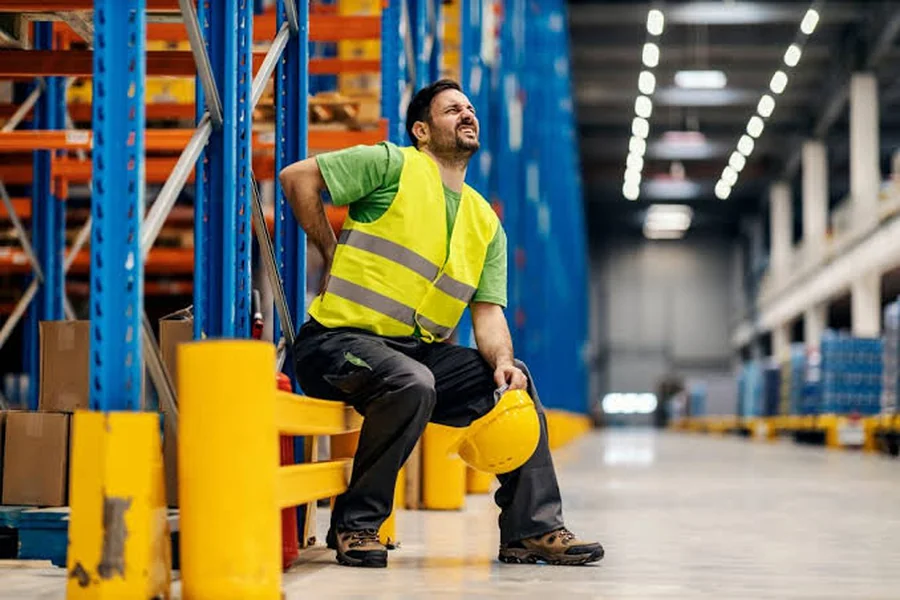
A roofing crew wraps up a morning job in Tempe. A warehouse worker in Goodyear reaches for a high shelf. A delivery driver navigates the I-10 during peak traffic. In each of these ordinary moments, the risk of a workplace accident is real, and so are the financial and legal consequences that follow when something goes wrong.
The Financial Impact of Workplace Accidents
Workplace accidents carry costs that go far beyond the emergency room bill. Medical expenses are the most visible line item, but they’re rarely the largest. Lost productivity, temporary staffing, equipment downtime, and administrative overhead pile on quickly, and most businesses don’t see the full picture until they’re already dealing with the fallout.
The total cost of work injuries in 2024 was $181.4 billion, according to the National Safety Council. That figure captures not just medical treatment, but also lost wages, lost productivity, and the administrative burden placed on employers. For a small or mid-sized Phoenix business, even a single serious incident can strain cash flow, disrupt payroll, and pull leadership away from day-to-day operations for weeks.
The indirect costs are harder to quantify but just as damaging. Morale drops when a coworker is hurt. Clients notice when projects stall. Managers spend hours on incident reports, insurance coordination, and regulatory compliance instead of running the business. Nobody budgets for that.
Industries Where Workplace Injuries Are More Common
Phoenix’s economy runs on construction, logistics, manufacturing, and transportation. These are also the industries where workers face the highest risk of serious injury.
Construction
Construction had the most private industry workplace deaths of any sector, with 1,034 fatalities in 2024. Falls from scaffolding, struck-by incidents, and electrical hazards are the dominant causes. The Phoenix metro’s ongoing development boom means construction crews are working at a pace that sometimes outstrips safety planning. Speed and safety don’t always coexist.
Warehousing and Transportation
Transportation and warehousing facilities run at an injury rate of 4.5 per 100 full-time workers, well above the national private industry average. Distribution centers in the West Valley, along with freight and delivery operations tied to Phoenix Sky Harbor, account for a significant share of that exposure. Forklift accidents, repetitive strain injuries, and vehicle collisions are the most common culprits.
Manufacturing
Phoenix’s manufacturing sector spans aerospace components, electronics, and food production, and it carries injury risks tied to machinery, chemical exposure, and repetitive motion. Workers who operate presses, conveyor systems, or cutting equipment face hazards that demand consistent attention to both training and maintenance schedules.
How Workplace Accidents Affect Business Operations
The operational disruption from a single workplace injury can ripple through a business for months.
Project Delays
When a skilled worker is sidelined, the work does not pause. Deadlines shift, subcontractors reschedule, and clients grow impatient. In construction and manufacturing especially, one absence can create a bottleneck that affects an entire project timeline. One person out can unravel weeks of scheduling.
Staffing Shortages
Replacing an injured worker, even temporarily, is expensive and time-consuming. Bringing someone new in means onboarding, reduced output during the learning curve, and sometimes a higher injury risk. New workers are statistically more prone to accidents during their first year on the job. That’s not a knock on them; it’s just the data.
Higher Insurance Costs
Workers’ compensation premiums are experience-rated, meaning a business’s claims history directly affects what it pays. A single serious claim can raise premiums for years. Businesses with multiple incidents may also face increased scrutiny from insurers or difficulty maintaining coverage at competitive rates.
Employer Responsibilities and Workplace Safety
Arizona businesses are required to provide a workplace reasonably free from recognized hazards. That obligation comes with practical expectations around training, documentation, and ongoing hazard assessment.
Effective workplace safety programs generally include:
- Regular safety training tailored to the specific hazards of the job, not just a one-time orientation
- Written procedures for high-risk tasks, including lockout/tagout protocols, fall protection plans, and vehicle safety policies
- Routine inspections to identify and correct hazards before they cause harm
- Clear reporting channels so workers feel comfortable flagging unsafe conditions without fear of retaliation
Employers who treat safety as a compliance checkbox rather than an operational priority tend to see higher injury rates, higher turnover, and higher costs across the board.
What Happens When an Employee Is Injured at Work?
When a workplace accident occurs, the legal and financial process that follows depends on several factors. It’s rarely as straightforward as it appears.
Workers’ Compensation
Arizona requires most employers to carry workers’ compensation insurance. An injured employee who files a claim is generally entitled to medical treatment and partial wage replacement. In exchange, the employee typically cannot sue the employer directly for negligence. The process sounds clean on paper, but disputes over the extent of injuries, the adequacy of treatment, and the timeline for returning to work are common.
Liability Questions
Workers’ compensation does not always close the book on liability. If an employer’s conduct was especially reckless, or if the injury involved defective equipment, a third-party contractor, or a property hazard outside the employer’s control, additional legal questions arise. These situations can involve overlapping insurance policies and competing claims.
Third-Party Involvement
Many Phoenix workplaces involve multiple employers on the same site, particularly in construction and logistics. When a subcontractor’s negligence injures a worker employed by a general contractor, or when a delivery driver is hurt due to another party’s actions, the injured worker may have claims entirely outside the workers’ compensation system.
When Businesses Need Legal Guidance After an Accident
A workplace accident is not just an HR event. It’s a legal event, and the decisions made in the hours and days after an injury can have lasting consequences for everyone involved.
Employers benefit from understanding their exposure before an accident happens, not after. That means reviewing contracts, insurance certificates, and safety protocols with someone who understands Arizona’s liability landscape. For injured workers, the path forward can be complicated, especially when workers’ compensation benefits don’t fully cover the losses they’ve suffered.
A Phoenix personal injury lawyer becomes relevant when the facts of an accident suggest that negligence, defective equipment, or third-party conduct played a role. Workers who have been seriously hurt often find that navigating the legal process alone leads to settlements that undervalue their claims.
In 2024, construction alone recorded 1,034 workplace fatalities, while transportation and warehousing followed with 865, according to the U.S. Bureau of Labor Statistics. Behind each of those numbers is a family, a legal process, and a business trying to understand what comes next.
Building a Safer Workplace in Phoenix
Phoenix businesses operate in a climate that adds its own layer of risk. Extreme summer heat increases the likelihood of heat-related illness, fatigue, and impaired judgment, all of which contribute to accidents. Outdoor crews and workers in non-air-conditioned facilities need specific protocols beyond standard OSHA requirements. The heat alone can turn a manageable situation into a dangerous one.
Practical steps Phoenix employers can take right now: conduct a site-specific hazard assessment, update written safety plans to reflect current operations, and verify that all workers, including seasonal hires and contractors, have completed role-appropriate training. Regular safety meetings, even brief ones, keep hazards top of mind and create a documented record that matters if a claim is ever disputed.
The Takeaway
Workplace accidents are not random events that happen to unprepared businesses. They follow patterns, and those patterns are well understood. Phoenix employers who invest in safety infrastructure, clear procedures, and legal awareness before an accident occurs are far better positioned to protect their workers, their finances, and their operations. The cost of prevention is always lower than the cost of the alternative.



Leave a Reply