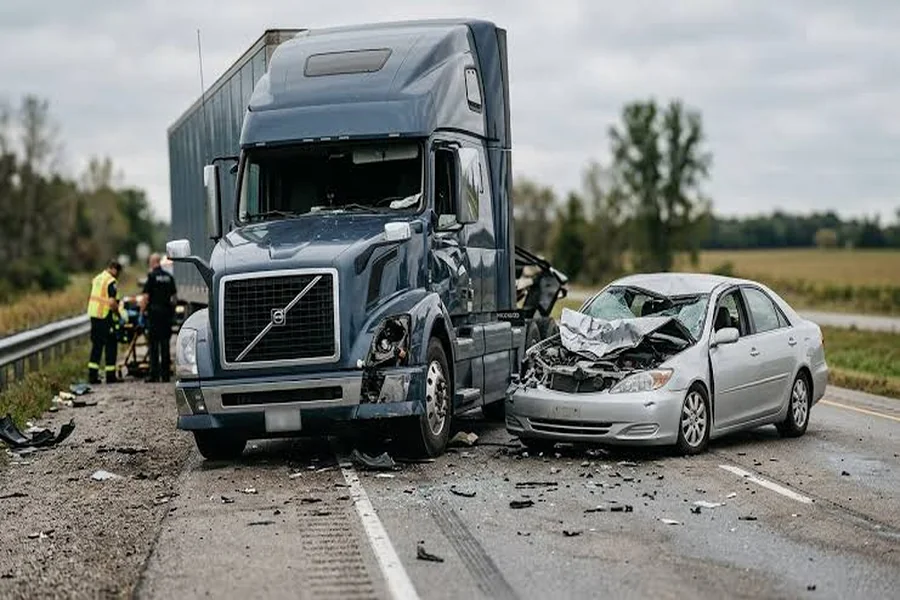

Truck drivers spend long hours on crowded city streets and highways? But they must stay alert to handle surprises and not endanger other drivers. The driver who is fatigued may cause a serious accident. An exhausted trucker can fail to observe a stop sign or be slow to respond. A single bad mistake might lead to a life changing nut. The victims can have huge medical bills as well as lost pay and lengthy recuperation. Fatigued drivers? Yes, it can. The truck driver could be liable for carelessness if the truck accidents occurred while he was asleep or fatigued. The shipping company may potentially be liable, depending on the facts.
Why Is Drowsy Driving Dangerous?
Driving a huge rig requires attention, fast reflexes, and constant control. Drowsiness numbs all three. A tired motorist may miscalculate distance or neglect to spot a hazard ahead of him. Some drivers can even fall asleep for a couple of minutes without even knowing. They can happen after long trips or after a nite drive. Washington, DC traffic may turn in seconds. A car could stop suddenly and turn at angles or pull into a packed intersection. Your slow response may lead to a big accident.
Why Truck Drivers Need to Beware About Fatigue
Lack of sleep and truck driver pressures are the main causes of fatigue. Some of the early causes include:
- Over-driving without respite.
- Not getting enough sleep to meet delivery deadlines.
- Working at Nite or When You Should Be Sleeping.
- Driving for extended periods without sleeping.
- Using medications/drugs to make you drowsy.
- Not heeding warnings of drowsy driving.
This can be pressurized by an employer. Drivers may get pressure to stick to strict delivery schedules. But destruction of courtship is never an excuse for dangerous driving.
Is the Trucking Company at Fault?
Yes. Some of the fault for fatigue and liabilities can be placed on a trucking company because of the company’s decision making that leads to driver fatigue. For instance, a company may set stringent deadlines between rest breaks. It may also ignore the long shift issues of its truck drivers. Such choices are dangerous to others. If a company can be sued:
- Requires drivers to break the rest laws.
- Does not verify driver work hour data.
- Overlooks indications of fatigued/unsafe driving.
- Employs dangerous drivers.
- Disregards safety regulations.
Same driver and firm. If a good investigation is not there then, it will not be known who all got involved in the crash.
Driver and Road FAQs, U.S. Government Provisions.
FMCSA (Federal Motor Carrier Safety Administration) rules limiting hours of service for certain commercial truckers. • For most truck drivers transporting property:
- No more than 11 hours of driving following 10 or more consecutive hours off duty.
- 14 hours on duty, no driving.
- 8 hours of driving with no 30-minute break.
- Maximum time on duty in a work week.
Those rules are designed to prevent drowsiness and unsafe driving. However, some journeys and some drivers are exempt. Violating the law of the federal government could be stronger evidence in the negligence lawsuit. However, the act of “violating” doesn’t seal the deal. Victims have to show the accident and injury was caused by the dangerous behavior.
How Do Victims Prove Driver Fatigue?
To prove tiredness, it’s not enough to just say a motorist “looked sleepy.” Instead, this leaves victims in need of facts to prove this driver was like this before the catastrophe. Physical evidence might include:
- Driving logs: These can demonstrate hours of driving and resting.
- Dispatch messages: They may reflect strain to meet tight deadlines.
- Driver logs: These can indicate extended hours and missed breaks.
- Phone records: These may show what the driver was doing before the collision.
- Witness testimony: Other drivers may have observed the dangerous driving.
- Vehicle data: The vehicle’s data may indicate speed, braking, and driver response.
Medical records can also account for injuries. This can all strengthen a claim. Victims should act fast, as key evidence can be lost. A lawyer can draw up a letter to ask the shipping company to conserve vital evidence.
What Does Washington, DC Law Mean for Victims?
Washington, DC, is a harsh contributory negligence state in most damage situations. This law provides that if the victim has any negligence in causing the crash, then the victim might be banned from recovering a single dollar of damages. However, DC law provides an exception for pedestrians and other vulnerable road users. You cannot be denied recovery if your fault was not greater than the collective fault of all the defendants or your fault was not contributory to the injury. This is why fault is an issue in truck accident cases. Before talking to an attorney, victims should not blame themselves for or talk about such with insurance providers.
How a DC Truck Accident Lawyer Can Help You
A DC vehicle accident lawyer can help you decide if tiredness was involved. A lawyer can review driver logs, employer records, and accident reports. Price Benowitz Accident Injury Lawyers, LLP handles truck and other motor vehicle accident cases. The firm also manages serious burn and spinal injuries. Legal practitioners can also establish prospective cases against drivers as well as trucking enterprises. A DC Truck Accident Lawyer can also help with future care costs, medical bills, and lost wages. Victims have questions following a tragic crash. Fatigue could be a factor in a crash and that could be key to receiving a fair settlement.
Frequently Asked Questions
1. Can Driver Fatigue Lead to a Truck Crash?
Short answer: yes. Fatigue reduces reaction time, thereby reducing big mistakes in driving.
Long answer: What Do Fatigued Drivers Cause? Weave in and out of lanes, miss signals, and not stopping when the time comes. Such behavior results in the most deadly accidents, particularly along the busy roads of D.C.
2. Are Trucking Companies Responsible for Driver Tiredness?
Short answer: yes. Your company can be sued for unsafe routines or processes.
Long answer: Corporations must abide with federal safety regulations. Ignoring fatigue or encouraging drivers not to rest might be a formula for an injury lawsuit against a company.
3. How Is Exhaustion of a Truck Driver Proved?
Short answer: Fatigue can be proven by dispatch records, driving logs, and witness testimony.
Long answer: Electronic logs can indicate long hours on the road and skipped breaks. Dispatches and work records could reflect pressure to meet deadlines. An attorney can help gather and analyze this evidence.
4. What Compensation Can Victims of Truck Accidents Recover?
Short answer: Medical costs, lost pay, etc.
Long answer: Claims can cover hospital treatment, surgery, rehabilitation, and lost wages. Additionally, victims may seek compensation for pain and suffering. This will rely on the law and facts.
5. When to Get a D.C. Truck Accident Attorney?
Short answer: See a doctor. Then see a lawyer.
Long answer: Getting a lawyer early can preserve records and witness statements. A lawyer may also assess liabilities and bargain with insurance companies. In some cases, acting swiftly will retain your entitlement to restitution.