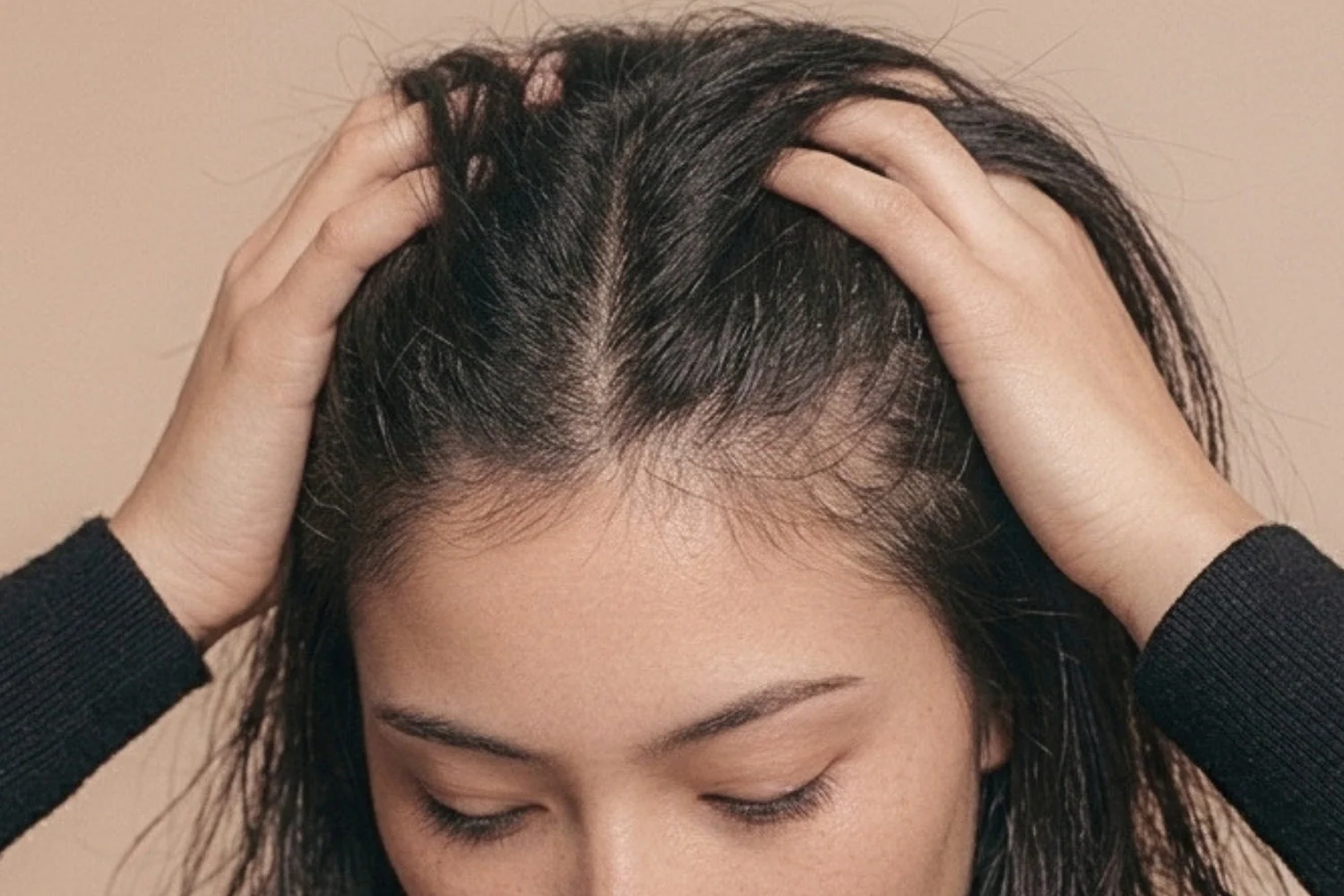

Finding hair in your brush, on your pillow, or in the shower drain can be alarming. But not every strand you lose is a sign of a problem. Shedding is a normal part of the hair growth cycle, while hair loss refers to hair that is not being replaced. Understanding the difference helps you decide whether to adjust your routine or talk to a professional.
What Normal Shedding Looks Like
Each hair on your head goes through a cycle of growth, rest, and release. At any moment, most hairs are growing, while a smaller percentage are resting before they fall out. When they shed, new hairs begin growing in the same follicles.
According to dermatologists, losing roughly 50 to 100 hairs a day is normal. You may notice more on wash days, since hairs that have already detached are released all at once. People with long hair often feel like they shed more simply because each strand is more visible.
Temporary increases in shedding are also common. Stress, illness, childbirth, a change in diet, or a new medication can push more hairs into the resting phase at once. This type of shedding, called telogen effluvium, typically shows up a few months after the trigger and usually resolves on its own. Supporting your body with good nutrition during this time can help, and many people add hair supplements to fill nutritional gaps while hair regrows.
Signs It Might Be Hair Loss
Hair loss looks different from shedding because the hair is not coming back. Watch for a widening part, a receding hairline, thinning at the crown, or noticeably less volume in your ponytail. Patchy bald spots or sudden clumps of hair are also signs worth paying attention to.
Genetic hair loss, known as androgenetic alopecia, is the most common cause in both men and women. In men it usually starts at the temples or crown, while women tend to notice overall thinning along the part. Because patterns differ, many men look specifically for the best hair growth supplements for men, which often include ingredients aimed at male-pattern thinning.
Other causes include thyroid conditions, iron deficiency, hormonal changes, and tight hairstyles that pull on the follicles. If you notice persistent thinning or sudden loss, see a dermatologist, who can identify the cause and recommend treatment. They may also suggest dermatologist recommended supplements for hair growth alongside other therapies.
Gentle habits can reduce unnecessary breakage while you sort out what is going on. Use a wide-tooth comb on wet hair, limit heat styling, and avoid tight ponytails or braids that pull at the hairline. Breakage is different from shedding, since the strand snaps along its length rather than falling from the root, but reducing it helps your hair look fuller while you address the underlying cause.
Final Thoughts
Some daily shedding is completely normal, and temporary increases often resolve once the trigger passes. Thinning that persists or spreads, however, is worth investigating. Paying attention to the pattern helps you take the right next step early, when treatment tends to work best.