Why Commercial Outdoor Lighting Can Create Problems for Upstairs Windows and Nearby Properties
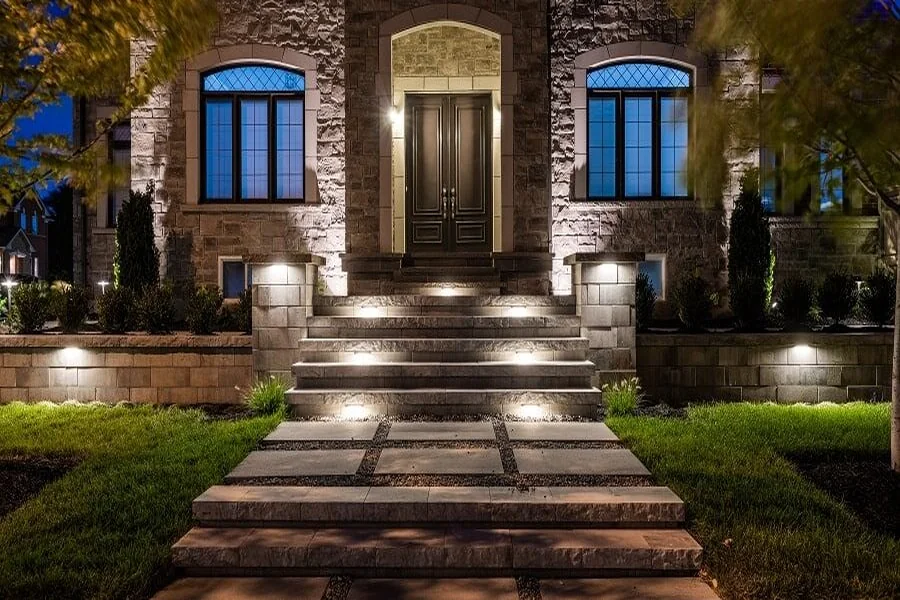
A restaurant closes for the evening, but its exterior lights remain on. From the pavement, the illuminated sign and building entrance look ordinary. Two floors above, however, a resident notices a bright patch moving across the bedroom wall whenever the blinds are open. Next door, a neighbor finds that the light from a decorative fixture reaches the patio long after the business has shut. The same installation is being experienced in three very different ways.
That difference matters in commercial outdoor lighting. A fixture can serve a legitimate purpose for visitors and staff while sending unwanted light beyond the property. The problem is not always excessive brightness. Sometimes the beam is aimed a little too high, a reflective surface redirects it, or an upper-floor window sits directly in the path of a light designed from street level.
A property manager preparing exterior design references for Astoria Lighting Co could include photographs taken from the sidewalk and from any occupied spaces overlooking the installation. Those views reveal whether the planned accents will remain on the building or extend into rooms and neighboring outdoor areas. Looking at the site this way encourages a more complete design than judging the facade from the road alone.
A Building Has More Than One Nighttime Audience
Commercial lighting is often planned around the people arriving at the property. A clearly visible entrance helps visitors find the door. Illumination around steps and routes can improve visibility. Decorative lighting can define architectural features after sunset. Those goals are reasonable, but they do not explain how the same light appears from an apartment window above the shop or across a narrow shared boundary.
Residents experience lighting for longer periods and from stationary positions. A bright fixture may occupy only a moment of a pedestrian’s attention but remain in a bedroom window for hours. A neighbor sitting on a balcony sees the beam at a different angle from someone approaching the front entrance.
Upper floors change the geometry
A light aimed up a wall may appear well controlled from the pavement because the fixture itself is hidden behind a planter. From a third-floor window, the beam may be visible directly. A wall wash that stops beneath a cornice on the front elevation can reach a recessed window on the side of the building. Taller buildings create more opportunities for these unexpected sightlines.
The useful question is not just where the fixture is mounted, but where its light travels after leaving the lens.
Reflections Can Extend Light Beyond the Intended Surface
Glass storefronts, polished metal panels, pale stone, and wet paving can all redirect light. A fixture may be aimed at a sign yet produce a noticeable reflection in the window opposite it. Brightly illuminated cladding can also become a large glowing surface, even when no bulb points directly toward a neighbor.
This matters particularly in mixed-use areas where commercial units sit beneath homes. A resident may not see the source of a bright reflection and may assume the lighting is directed straight into the room. Finding the actual path of the light prevents ineffective fixes.
Test in ordinary operating conditions
Inspect the property with interior shop lights on, signs operating, and the exterior scene set as it would be on a normal evening. Where safe access is possible, view the effect from the affected window or balcony. Also note conditions after rain, when reflective paving may make the problem more noticeable.
Photos can help document the concern, but phone cameras adjust exposure automatically. Pair them with simple observations: a bright patch on the ceiling, a visible lamp from the upstairs landing, or a reflection that appears only when a particular sign is illuminated.
Aiming and Shielding Often Matter More Than Raw Output
Lowering brightness seems like the obvious answer to a complaint, but it is not always the best first adjustment. A smaller amount of light directed into an upstairs window can still be uncomfortable, while a well-shielded fixture can provide useful illumination at ground level without exposing the lamp to people nearby.
For an entrance, a downward-oriented beam may illuminate the doorway and immediate approach more effectively than a broad beam washing the entire facade. Accent fixtures can often be selected and positioned to emphasize columns or textured materials without unnecessarily lighting the windows above. The available options depend on the building and the equipment, so fixture selection and aiming should be assessed together.
When evaluating a proposed accent layout from Astoria Lighting Co, it is worth marking the windows that should stay dark on the elevation drawing. That turns a general wish to avoid light spill into a design constraint that can be checked during installation. It also makes the review more meaningful than comparing fixture brightness specifications in isolation.
Operating Hours Are Part of the Design
A business may need entrance and route lighting while staff finish cleaning, but decorative effects do not always need to operate at the same level throughout the night. Separate controls can allow essential illumination to remain in use while architectural accents are dimmed or switched off at appropriate times.
Consider a cafe beneath apartments. A bright facade scene may suit the early evening when customers are arriving. After the cafe closes, the same display may contribute little to navigation but continue reaching residential windows. A schedule that changes the decorative lighting after closing can address that difference without leaving required access routes dark.
Avoid a single switch for everything
Combining signs, decorative accents, and safety-related illumination on one control can limit the options available later. A more flexible arrangement allows property managers to adjust decorative features without unintentionally affecting lighting needed for safe access or security. Controls should be chosen and configured by qualified professionals to meet the building’s requirements.
If a neighboring resident reports a problem only after midnight, compare their observation with the programmed schedule. The issue may be a late-running decorative scene rather than the fixtures used for the entrance.
Boundaries Deserve Attention Before Installation
A narrow alley, a shared courtyard, or a building constructed close to a property line leaves little room for stray light. A beam that seems modest on a large standalone property may be intrusive when the next window is only a short distance away. Local rules and applicable requirements may also address glare, light trespass, signs, or permitted operating hours, so these should be checked for the specific site rather than assumed.
For commercial outdoor lighting near a shared boundary, the right response is not to eliminate useful illumination. It is to define where illumination is needed and to avoid sending it unnecessarily elsewhere. The practical review should include neighboring sightlines, not simply the company’s own frontage.
An exterior plan being discussed with Astoria Lighting Co can be made more useful by distinguishing the surfaces intended for emphasis from the ones that should receive little or no decorative light. That distinction keeps the conversation grounded in the architecture and the people who live around it rather than in a promise to make the building as bright as possible.
Review the Finished Scene From Several Positions
Once fixtures are mounted, inspect the lights after dark before treating the installation as finished. Walk the public approach, check the doorway and steps, and then assess visible upper windows and adjacent properties from places where access is permitted. Do not enter neighboring premises without permission. If an affected resident is willing to provide observations, their view can identify problems that the installation team cannot see from the ground.
Check whether any lamp is directly visible, whether reflected light reaches a window, and whether decorative scenes continue longer than necessary. Adjustments may involve approved re-aiming, shielding, separating controls, or changing operating schedules. Damaged or unsuitable equipment should be addressed by a qualified installer rather than modified with improvised covers.
A Successful Facade Works for the People Around It
A well-lit commercial building should be recognizable and comfortable to approach, but its light should not become an unwanted feature of nearby homes. Careful commercial outdoor lighting balances entrances, architectural detail, neighboring windows, and the hours people occupy those spaces.
For a building owner working with Astoria Lighting Co, the strongest final review includes the view from beyond the property as well as the familiar street-level photograph. A fixture that highlights a doorway without disturbing the bedroom above it has achieved something more useful than brightness alone: it allows the business and its neighbors to share the nighttime setting comfortably.



Leave a Reply