How to Ensure Your Farm’s Equipment Keeps Your Business Running
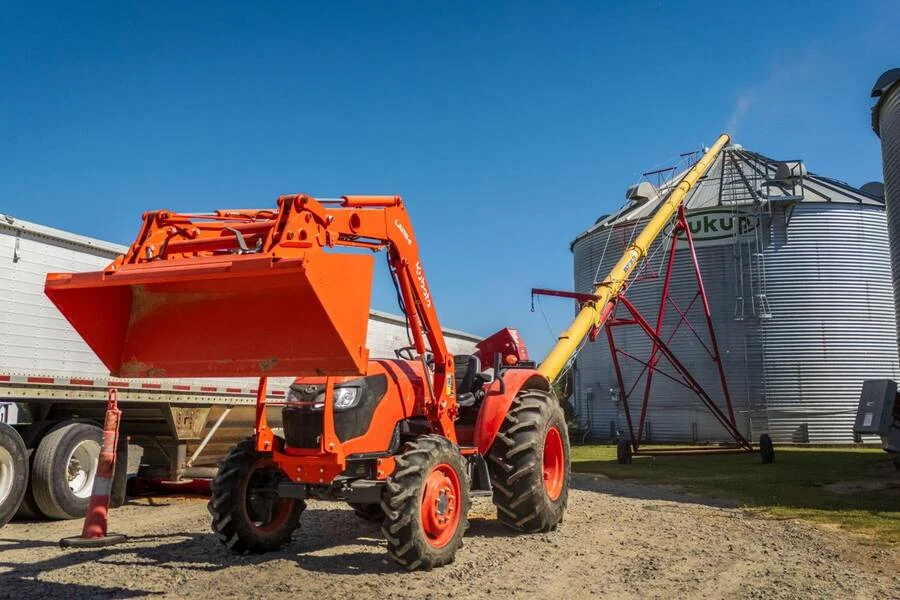
When a critical piece of farm equipment breaks down during harvest season, the financial consequences can ripple through your entire operation for months. Equipment failures don’t just mean repair costs; they mean lost time, delayed crop harvesting, and reduced productivity when every day matters most. Protecting your investment in farm machinery requires a proactive approach that combines regular maintenance, strategic planning, and informed decision-making about repairs and replacements.
Understanding Your Equipment’s True Value
Farm equipment represents one of the largest capital investments most agricultural businesses make. Tractors, combines, tillers, and irrigation systems work under demanding conditions, often running during peak seasons when downtime creates the most damage to your bottom line. Many farmers underestimate how much their daily operations depend on consistent equipment performance until something fails unexpectedly. A deep understanding of what each machine does for your farm and how critical it is to your workflow forms the foundation for protecting your business continuity. When you recognize equipment as essential infrastructure rather than optional tools, you are more likely to invest in its long-term care and reliability.
Establish a Preventive Maintenance Schedule
Regular maintenance prevents most equipment failures before they happen. Creating a written maintenance schedule for each machine ensures nothing gets overlooked and spreads the work across the entire year rather than bunching it into crisis response. Daily checks should include fluid levels, belt tension, and visible signs of wear or damage. Monthly tasks might involve changing oil, cleaning filters, and inspecting moving parts for cracks or excessive wear. Manufacturers provide specific maintenance intervals for their equipment, and following these recommendations keeps warranty coverage intact while extending the useful life of your machines significantly. Document every service performed, every replacement part installed, and every hour of operation so you have a clear record of your equipment’s maintenance history.
Plan for Seasonal Demand and Downtime
Different seasons place different demands on farm equipment. Spring planting, summer growth management, and fall harvest each require specific machines to operate at peak performance during compressed timeframes. Rather than waiting for the season to arrive, prepare your equipment during slower periods when you can afford downtime for maintenance or repairs. Pre-season inspections before planting, mid-season tune-ups when possible, and post-season deep cleaning protect your equipment from the stress of back-to-back operation during peak months. Building in time for maintenance between heavy use periods prevents small problems from becoming catastrophic failures when you are in the middle of time-critical work. Consider which equipment is absolutely essential during each season and prioritize its readiness accordingly.
Manage Repairs vs. Replacement Decisions
Deciding whether to repair aging equipment or replace it involves examining repair costs, the machine’s age and condition, and the reliability you need going forward. A good rule of thumb is to compare the annual repair costs to the monthly payment on new equipment. If your old machine requires expensive repairs more than once per year, replacement might prove more economical despite the upfront capital requirement. Keep detailed records of repair expenses for each piece of equipment so you can identify patterns and make informed decisions based on actual data rather than emotion or frustration. Sometimes a mid-life overhaul that addresses major wear items costs less than continuous reactive repairs and extends useful life by several more productive seasons. Consulting with experienced equipment dealers, mechanics, and other farmers who operate similar machinery can provide valuable perspective on reliability and longevity before you commit to a major purchase decision.
Build Strategic Equipment Reserves
Operating with zero backup equipment is risky when equipment failure means lost harvest time or delayed field work. Smaller backup equipment for routine tasks, such as a second tractor for less demanding work or a loaner implement from a dealer, provides insurance against unexpected downtime of your primary machines. Some farmers maintain relationships with neighboring operations where they can borrow equipment in emergencies, creating mutual backup systems that benefit all parties involved. Planning equipment purchases to include redundancy for your most critical machines reduces vulnerability to single points of failure. Even older, less powerful equipment can serve valuable backup purposes during emergencies without requiring a major capital investment.
Invest in Proper Storage and Protection
Environmental factors accelerate equipment deterioration and corrosion. Storing machinery under cover during off-seasons, protecting exposed metal from moisture, and keeping equipment clean extends lifespan and prevents weather-related damage. Well-maintained storage facilities protect your investment from rain, snow, and extreme temperature swings that damage seals, corrode metal components, and compromise hydraulic systems. Farms that rely on water well systems benefit from similar protective thinking, and using a quality well tank cover during seasonal shutdowns helps shield pressure tanks from debris, temperature extremes, and corrosion that shorten their service life. Regular cleaning removes dirt and debris that can damage painted surfaces and promote rust, while proper fuel storage with appropriate stabilization during long idle periods prevents fuel degradation that can harm engines when equipment starts up after months of inactivity. Taking time to store equipment properly costs far less than addressing rust damage, corrosion, or fuel system problems later.
Conclusion
Keeping farm equipment in reliable working condition requires consistent attention, strategic planning, and informed decision-making rather than reactive crisis management. By establishing preventive maintenance routines, planning for seasonal demands, maintaining careful records, and making thoughtful repair versus replacement decisions, you significantly reduce the risk of unexpected breakdowns that threaten business continuity. Building redundancy into your equipment inventory and protecting machines through proper storage creates additional security against the operational disruptions that can impact your profitability. Your farm’s equipment is too valuable and too essential to your operation to neglect, and the relatively small time and resource investment in proactive management pays substantial dividends through improved reliability and longevity.


Leave a Reply