What Homeowners Overlook: Planning a Better Yard Irrigation Upgrade
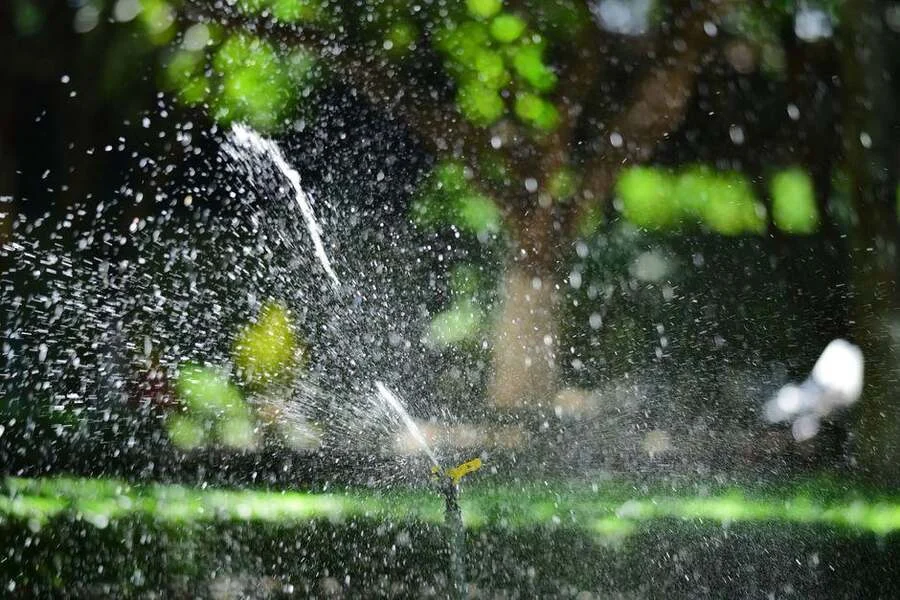
A greener yard sounds simple until dry patches, runoff, rising water bills, and stressed plants appear together. An effective irrigation upgrade begins with understanding how the landscape uses water. Soil, sunlight, slope, plant selection, and water pressure all influence performance. Considering these details before choosing equipment can prevent expensive adjustments later.
Map how your yard uses water
Every landscape has different moisture conditions. One area may stay damp after rainfall, while another dries quickly in direct sun. Trees create shade, and slopes move water downhill. One schedule for the entire yard may overwater some plants and leave others thirsty.
Observe where puddles form, where runoff travels, and which areas dry first. Clay generally holds moisture and absorbs water slowly, while sandy soil drains more quickly. Compacted soil can also prevent water from reaching roots.
Installation quality affects long-term performance
An irrigation system is a network of pipes, valves, heads, and controls. Pipe sizing, trench depth, head spacing, valve placement, pressure regulation, and backflow protection all influence how reliably it works. Poor spacing can leave dry strips between sprinkler patterns, while unsuitable components can create excessive flow or uneven distribution.
That is why garden sprinkler system installation should be treated as a landscape-planning decision, not simply an equipment purchase. A properly designed system considers the property’s layout, water supply, planting zones, and the amount of water each area can absorb. Ask the installer how coverage will be tested, how pressure will be managed, and what maintenance the system will require.
Group plants according to their needs
Hydrozoning means grouping plants with similar water requirements in the same irrigation zone. Lawn areas, shrubs, vegetable beds, and established trees rarely need identical watering schedules. Separating them allows each zone to receive a more appropriate amount of water.
Plant choice should inform the design. Drought-tolerant plants do not need the same frequent watering as newly planted flowers. Consider sunlight, soil, root depth, and plant maturity. The Environmental Protection Agency’s guide to water-smart landscaping explains how plant selection, soil health, and grouping plants by watering needs can support a more efficient landscape.
Look for design problems before buying equipment
Brown patches do not always mean the yard needs more water. Poor coverage, blocked nozzles, incorrect pressure, leaks, or mismatched heads may be responsible. Overspray sends water onto pavement or walls instead of planting areas.
Watch each zone while it runs. Check spray overlap, head movement, and pooling. Fine mist can indicate excessive pressure, while weak spray may point to a blockage or supply problem. A professional can help distinguish equipment faults from soil or plant-health issues.
Choose delivery methods for the landscape
Different areas may need different irrigation methods. Pop-up spray heads can suit smaller lawns, while rotor heads work for larger areas. Drip irrigation delivers water near plant roots and can be useful for shrubs, beds, and trees. Micro-sprays need careful placement.
Using the same hardware everywhere can create uneven results. Match the equipment to the size of the area, plant spacing, soil conditions, and water pressure. Also consider whether future planting or hardscaping changes could affect access to pipes and sprinkler heads.
Smart controllers need a sound system behind them
Weather-based controllers use local weather information to adjust watering schedules. Soil-moisture sensors measure conditions in the ground and can prevent irrigation when the soil already contains enough moisture. These tools can reduce unnecessary watering, but they cannot correct a leaking pipe, clogged nozzle, poor zone layout, or badly aimed sprinkler.
The EPA’s watering tips explain how timing, cycle-and-soak scheduling, seasonal adjustments, and regular inspections help reduce waste. Treat smart controls as one part of a well-designed system. Review the schedule as weather changes and check whether the landscape responds as expected.
Plan for maintenance and changing conditions
A system may need adjustment as plants mature or the yard changes. Trees develop larger canopies, beds expand, and patios alter runoff. Inspect heads, valves, filters, and visible pipe connections for leaks, clogs, tilting, and overspray.
Seasonal adjustments matter as well. A schedule suitable during hot weather may overwater during cooler or rainy periods. Before changing runtimes, consider rainfall, soil moisture, plant maturity, and local watering requirements. If your system has a manual mode, use it carefully and return to the programmed schedule afterward.
Measure performance instead of guessing
A catch-can test can reveal whether a lawn zone distributes water evenly. Place identical containers across the area, run the sprinklers, and compare the amount collected. Differences may indicate uneven coverage or pressure problems. Check for runoff; water flowing toward a drain is not reaching roots.
Keep a record of adjustments, repairs, and unusual dry or wet areas. This makes it easier to identify recurring problems and explain them to an irrigation professional. If water use rises unexpectedly, investigate leaks or schedule changes rather than assuming the landscape simply needs more irrigation.
Build the system around real life
Before work begins, ask whether the quote includes a site assessment, permits if required, backflow protection, controller setup, and a final walkthrough. Confirm who will explain zone controls and provide a system diagram. Knowing where shutoff valves are located can also help you respond quickly if a leak develops, and the same seasonal habit you use to clean outdoor furniture and cushions is a good time to walk the zones. Keep the documentation with other home maintenance records.
The best irrigation plan supports how you use your outdoor space, whether for play, vegetable beds, or low-maintenance planting. Those priorities affect where water is needed and how each zone should operate.
Before approving an upgrade, ask for a clear explanation of the layout, components, controls, testing process, and ongoing maintenance, and how future repairs will be handled promptly. A greener yard is not necessarily one that receives more water. It is one where the right amount reaches the right plants at the right time. When design, installation, and maintenance work together, irrigation becomes a dependable part of the landscape rather than a constant source of correction.


Leave a Reply