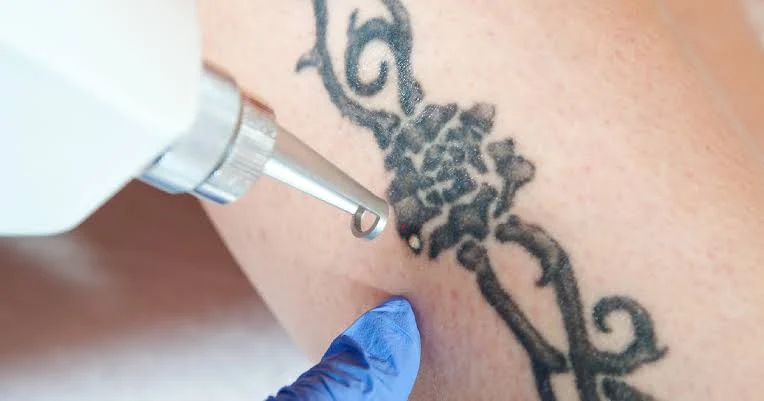

Tattoo removal takes patience. A full removal typically requires six to twelve sessions spaced six to eight weeks apart, and what you do between appointments matters just as much as the laser treatment itself. Skipping aftercare steps or rushing the process can stretch out your timeline and leave you with uneven fading or unnecessary scarring.
Whether you're just starting the process or already a few sessions in, the following tips will help your skin heal faster and your results look cleaner.
Protect the Treated Area From Sun Exposure
Ultraviolet light is one of the biggest threats to healing skin after a laser session. Sun exposure can cause hyperpigmentation, delay healing, and even interfere with how your skin responds to future treatments. Cover the area with loose clothing whenever possible, and apply a broad-spectrum SPF 30 or higher once the skin has closed.
This applies even on cloudy days or when the treated area is somewhere you wouldn't normally think to protect, like a forearm or ankle. Sun damage on compromised skin shows up faster than most people expect, sometimes within a single afternoon outdoors.
Keep the Area Clean and Moisturized
Right after treatment, the skin may blister, scab, or ooze slightly. Wash it gently with mild soap and lukewarm water twice a day, then pat it dry instead of rubbing. Follow up with a thin layer of fragrance-free healing ointment to keep the area from drying out and cracking.
Dry, flaky skin tends to itch, and itching leads to scratching, which can pull off scabs before they're ready to fall off naturally. Keeping skin moisturized reduces that temptation and supports smoother healing underneath.
Resist the Urge to Pick at Scabs or Blisters
Scabbing is a normal part of the healing process, but picking at it is one of the most common ways people damage their results. Removing a scab too early can pull out pigment unevenly, leave a scar, or introduce bacteria into an open wound. Let scabs fall off on their own, which usually happens within one to two weeks.
If blisters form, resist popping them too. They're the body's way of protecting the area while new skin forms underneath, and puncturing one early increases infection risk.
Stay Hydrated and Support Your Lymphatic System
The laser breaks tattoo ink into smaller particles that the body clears out gradually through the lymphatic system. Drinking enough water helps that process run more efficiently. Aim for at least eight glasses a day in the weeks following a session, more if you're physically active or live somewhere hot.
Light movement, like walking, can also support lymphatic drainage without putting strain on the treated skin. Avoid intense workouts for the first 48 hours, since sweating on fresh skin can cause irritation.
Avoid Picking the Wrong Provider
Results vary significantly based on the equipment used and the experience of the person operating it. Older Q-switched lasers can take longer to clear ink and carry a higher risk of scarring compared to newer picosecond lasers, which break down pigment more precisely with less impact on surrounding tissue. Ask any provider directly what type of laser they use and how many removal sessions they perform weekly.
Residents searching for professional laser tattoo removal in Decatur, GA have access to clinics using updated picosecond technology, which tends to produce faster clearing with fewer sessions for many ink colors, especially stubborn greens and blues that older lasers struggle to break down. Choosing a provider with the right equipment from the start can save months of treatment time.
Space Out Sessions Properly
It's tempting to book sessions closer together to speed things up, but doing so often backfires. Skin needs time to heal and for the immune system to clear broken-down ink particles before another round of treatment. Most providers recommend waiting six to eight weeks between sessions, sometimes longer for darker skin tones or areas with poor circulation, like ankles and feet.
Treating skin too soon increases the risk of burns, blistering, and scarring, which can ultimately slow down the entire removal timeline rather than speed it up.
Watch for Signs of Infection
Mild redness, swelling, and tenderness are expected for the first few days after treatment. But increasing pain, pus, red streaking, or a fever are signs something isn't healing correctly. Contact the treatment provider right away if any of these symptoms show up rather than waiting to see if they resolve on their own.
Catching an infection early typically means a quick course of antibiotics and a short delay in treatment. Letting it go unchecked can lead to scarring that affects the final appearance of the skin, even after the tattoo itself is gone.
Give the Process Realistic Time
Tattoo removal is gradual by design. Fading happens in stages, and it's normal for a tattoo to look lighter immediately after a session, then appear to plateau for a few weeks before the next round of clearing becomes visible. Tracking progress with photos taken under the same lighting every few sessions gives a clearer picture of change than checking in the mirror daily, where small shifts are harder to notice.
The most useful thing you can do throughout the process is treat your skin as an investment that pays off over months, not days. Consistent aftercare, properly spaced sessions, and a provider with the right equipment will get you to clear skin faster than trying to rush any single step.