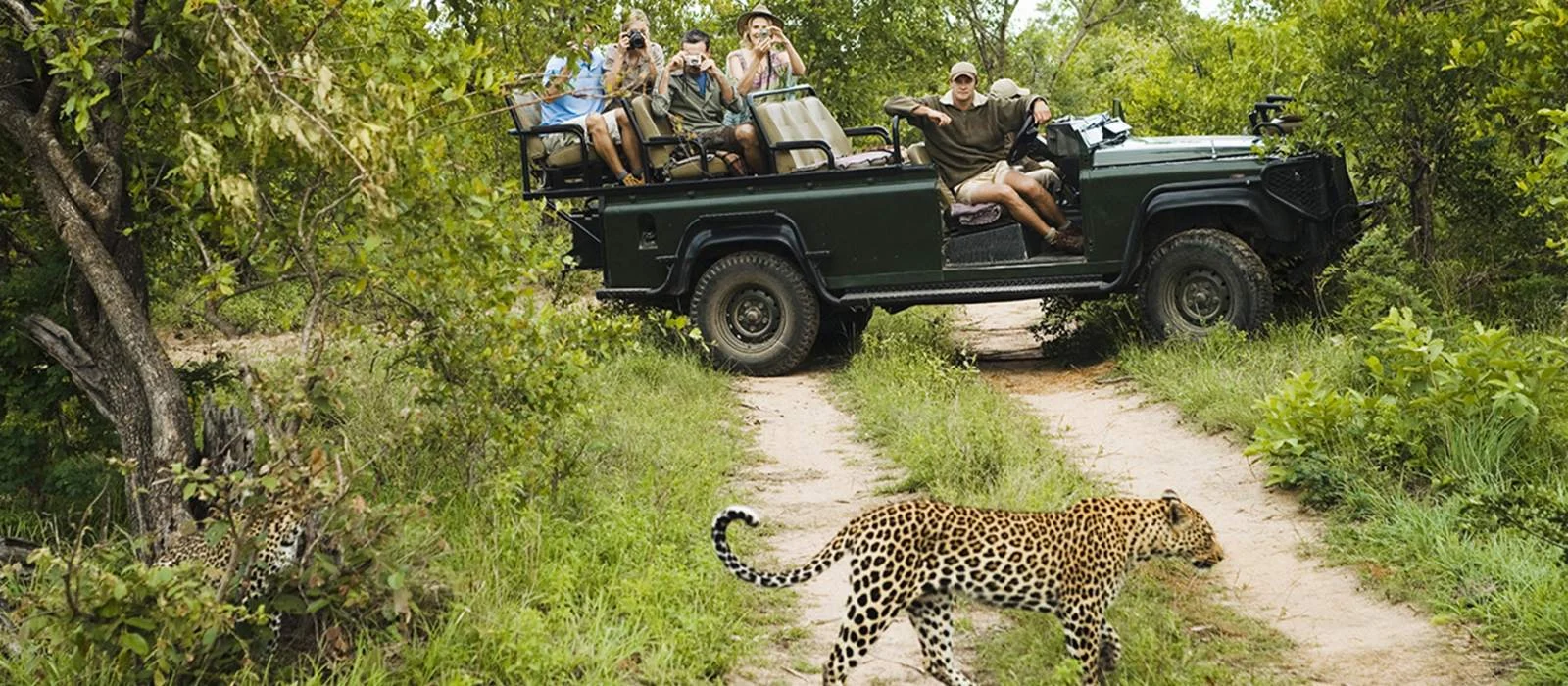

A safari that lives up to the hype usually has nothing to do with luck. It comes down to decisions made months before departure: which region, which season, which style of camp, and how much ground to cover in a single trip. The travelers who come home disappointed almost always tried to cram too much into too little time, or picked a destination based on a photo rather than their own priorities. Here's how to get the planning right from the start.
Decide What Kind of Safari You Actually Want
Not every safari looks the same, and assuming otherwise is the first mistake people make. A self-drive trip through Kruger National Park in South Africa, staying in rest camps and spotting game from a rental car, is a completely different experience from a guided stay at a private lodge in Botswana's Okavango Delta. Neither is better; they just serve different goals.
Think about what matters most: budget, comfort level, how much guiding expertise you want, and whether you're hoping for predator sightings or a broader wildlife and birding experience. A family with young kids will want a different setup than two adults celebrating an anniversary. Get specific about this before looking at a single itinerary.
Pick the Right Country and Region
East Africa and Southern Africa offer genuinely different experiences, and conflating them leads to mismatched expectations. Kenya and Tanzania are famous for open savanna, enormous herds, and the Great Migration, which moves between the Serengeti and the Masai Mara roughly between July and October. Southern Africa, including Botswana, Namibia, and South Africa, tends to offer denser bush, excellent predator sightings, and more varied terrain, from desert to wetland.
South Africa in particular draws first-timers because it combines malaria-free reserves, strong infrastructure, and a wide range of price points. Many travel advisors who specialize in South Africa safari trips point out that the country lets you pair a few days of game viewing with time in Cape Town or along the Garden Route, which makes the logistics far simpler for a two-week vacation. That flexibility is a real advantage if this is a first safari and not a dedicated wildlife expedition.
Time It Around Wildlife Patterns, Not Just Weather
Dry season, generally May through October across most of Southern and East Africa, is when animals cluster around rivers and waterholes, making sightings easier and more predictable. Vegetation thins out too, so visibility improves dramatically compared to the lush, green wet season. This is why high season commands higher prices and fuller camps.
That said, wet season has its own appeal: newborn animals, dramatic skies, migratory birds, and lower rates. If avoiding crowds matters more than guaranteed leopard sightings, the shoulder months just before or after peak season often deliver the best balance of good weather, active wildlife, and manageable pricing.
Choose Accommodations That Match the Experience You Want
Lodges and camps vary enormously, from basic tented camps with shared facilities to private villas with personal butlers and plunge pools. Price doesn't always correlate with sighting quality. A modest camp inside a well-managed private reserve can deliver better game drives than a luxury property bordering a public park with heavy vehicle traffic.
Ask specific questions before booking: how many vehicles are allowed at a single sighting, what's the maximum number of guests per guide, and whether drives go off-road to follow animals. These details affect the experience far more than thread count or infinity pools.
Build in Enough Time at Each Camp
Three nights at a single camp is a reasonable minimum, since wildlife sightings depend on patterns that unfold over days, not hours. Guides learn where a pride has been resting or where a leopard has cached a kill, and that knowledge compounds the longer you stay in one place. A one-night stop rarely allows for more than a token game drive.
Resist the urge to visit five reserves in ten days just to maximize variety. Moving camps burns travel time and money on charter flights or long transfers, and it resets the learning curve with a new guide each time. Two or three well-chosen locations, each given proper time, almost always beats a scattershot itinerary.
Work With a Specialist, Not a Generalist
Safari logistics involve small charter planes, seasonal road closures, park permits, and visa requirements that change by country. A travel agent who specializes in African itineraries will know which camps are overbuilt tourist traps and which ones consistently deliver strong guiding. General travel agencies rarely have this depth of knowledge, and a wrong recommendation can be expensive to fix mid-trip.
Ask any specialist for recent client feedback on specific camps, not just brochure descriptions. The good ones will have firsthand, current knowledge of conditions on the ground, not outdated marketing material.
The safaris that meet or exceed expectations are rarely the ones with the longest itinerary or the priciest lodge. They're the ones built around clear priorities, realistic pacing, and a guide who knows the terrain. Get those three things right, and the rest tends to take care of itself.