Signs You May Be Ready to Buy a Home
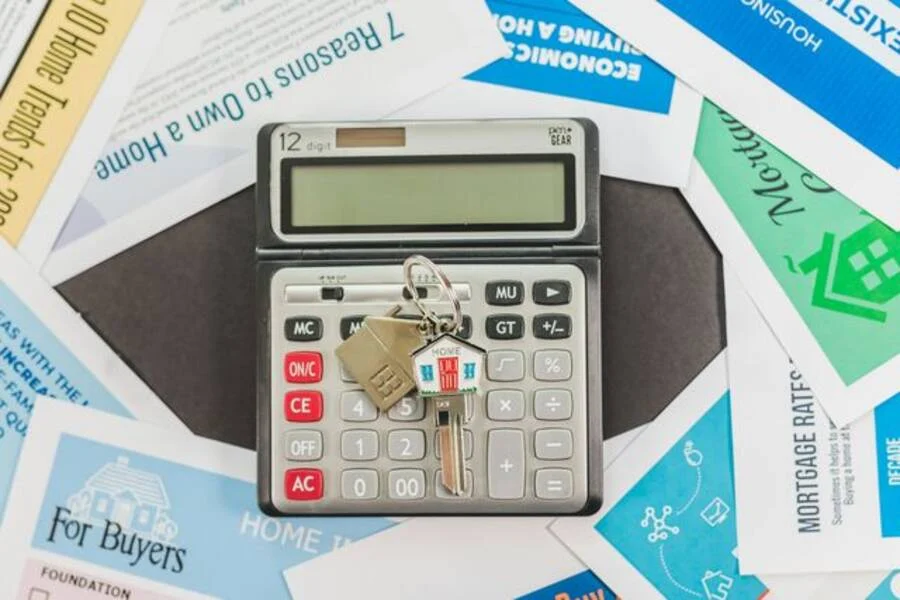
Deciding whether to buy a home is one of the most important financial decisions you will make. Many people spend years renting while wondering if homeownership is the right choice for them. Moving from renting to owning requires careful consideration of your finances, lifestyle, and long-term goals. Recognizing the signs that indicate you may be ready can help you move forward with confidence and avoid purchasing a home before you are fully prepared.
1. You Have Built Stable Employment
A steady job with reliable income is one of the strongest indicators that you may be ready for homeownership. Lenders generally prefer to see consistent employment history, often at least two years within the same field or industry. If you have recently changed jobs or work in an industry with frequent layoffs, your mortgage application may receive additional scrutiny.
Stable employment also suggests that you can handle monthly mortgage payments even if unexpected expenses arise. In addition, having a secure job often means you are more likely to remain in the same area for an extended period. This stability is important because buying a home typically makes the most financial sense when you plan to stay in one location for at least five to seven years. If your career and living situation feel settled, that is a strong sign you may be ready to take the next step toward homeownership.
2. Your Credit Score Is Healthy
Your credit score provides lenders with a snapshot of your borrowing history and financial habits. Most mortgage lenders require a minimum credit score of around 620, while the best interest rates are often reserved for borrowers with scores of 740 or higher.
If you consistently pay bills on time, keep credit card balances low, and avoid taking on unnecessary debt, your credit score likely reflects responsible financial management. A stronger credit score can help you secure more favorable loan terms and lower interest rates, potentially saving thousands of dollars over the life of your mortgage.
Improving your credit score takes time, but the effort can be worthwhile. The difference between a fair credit score and an excellent one can significantly impact your long-term borrowing costs. Before applying for a mortgage, review your credit reports carefully and address any inaccuracies that could affect your score.
3. You Have Saved an Adequate Down Payment
A down payment is the amount of money you contribute upfront when purchasing a home, while the remaining balance is financed through a mortgage. Although some loan programs allow down payments as low as 3 percent, saving a larger amount can lower your monthly payments and improve your loan options.
Many buyers aim to save between 10 and 20 percent of the home’s purchase price. Reaching this goal demonstrates financial discipline and provides a stronger foundation for homeownership. It is equally important to maintain an emergency fund rather than exhausting all your savings on a down payment.
Beyond the down payment, you should also plan for closing costs, which often range from 2 to 5 percent of the home’s purchase price. These costs can include loan origination fees, appraisal charges, title insurance, inspections, and other administrative expenses. Completing mortgage prequalification during the savings process can help you establish a realistic home-buying budget and create more accurate savings goals. Knowing your potential borrowing range early can help you prepare more effectively and avoid surprises later in the process.
4. Your Debt-to-Income Ratio Is Manageable
Your debt-to-income ratio measures how much of your gross monthly income goes toward debt payments. This includes obligations such as credit cards, auto loans, student loans, and other recurring debts.
Most lenders prefer a debt-to-income ratio below 43 percent. In simple terms, this means that less than 43 cents of every dollar you earn goes toward debt payments. A lower ratio generally improves your chances of mortgage approval and may help you qualify for better loan terms.
If your debt levels are currently high, paying down balances before applying for a mortgage can strengthen your financial position. Reducing debt may also increase the amount you can comfortably afford for a monthly mortgage payment. Whether through increased income, reduced debt, or a combination of both, maintaining a healthy debt-to-income ratio is one of the clearest signs that you are financially prepared for homeownership.
5. You Are Ready for a Long-Term Commitment
Homeownership is not only a financial investment but also a long-term commitment. Unlike renting, which often offers greater flexibility, owning a home typically works best when you plan to remain in the property for several years. Selling a home involves considerable costs, including real estate commissions, inspections, and other transaction-related expenses.
If you anticipate relocating in the near future for work, family, or other reasons, renting may continue to be the more practical option. On the other hand, if you are confident that you will stay in the area for at least five to seven years, purchasing a home may provide greater financial benefits and stability.
Homeownership also comes with additional responsibilities. Maintenance and repair costs become your responsibility, whether that means replacing a water heater, repairing a roof, or maintaining the landscaping. If you are prepared for these ongoing obligations and have budgeted accordingly, you may be ready for the realities of owning a home.
Conclusion
Knowing when you are ready to buy a home requires an honest assessment of your financial health and personal circumstances. Stable employment, a strong credit score, sufficient savings, a manageable debt-to-income ratio, and a willingness to commit to a property for the long term are all positive indicators.
There is no single factor that determines readiness. Instead, it is the combination of several financial and lifestyle factors coming together that creates a strong foundation for homeownership. By evaluating each of these areas carefully, you can make a more informed decision and move forward with confidence when the time is right.



Leave a Reply