
Pneumatic conveying systems play an important role in modern industrial operations. They provide an efficient way to move powders, granules and other bulk materials through pipelines using air or gas. This method helps businesses manage materials safely while making better use of their available workspace and resources. Pneu Powders Systems provides pneumatic conveying solutions designed to support different industrial requirements, with a focus on performance, reliability and practical system design.
As industries continue to improve their production processes, reliable material handling has become increasingly important. A well-designed conveying system can help reduce manual handling, maintain consistent material flow and support smoother daily operations. Understanding how these systems work and what makes them effective can help businesses choose equipment that suits their needs.
Understanding Pneumatic Conveying
Pneumatic conveying is a material transport method that uses moving air or another gas to carry powders and granules through an enclosed pipeline. Instead of relying on belts or gravity, the system creates airflow that moves materials from one point to another. This makes it useful in facilities where materials need to travel through long distances, between different production areas or around existing equipment.
The system operates by controlling the movement of air and the amount of material entering the pipeline. The correct balance helps prevent blockages, excessive wear and inconsistent delivery. Factors such as particle size, material weight, moisture content and conveying distance can all affect performance.
Pneu Powders Systems develops solutions around these practical requirements. By considering the properties of each material and the layout of the facility, a conveying system can be designed to provide steady movement and reliable operation.
Industrial Applications of Pneumatic Conveying
Pneumatic conveying is used in a wide range of industries because many businesses need to move bulk materials as part of their production processes. Food manufacturers use these systems to transfer ingredients such as flour, sugar, starch and other powdered products. An enclosed pipeline can help protect materials from external contamination while reducing the need for direct handling.
Pharmaceutical manufacturers also require careful material management. Powders and other ingredients must be transferred in a controlled manner to support consistent production and hygiene practices. Suitable conveying equipment can help reduce product exposure and make material movement easier to manage.
Chemical manufacturers use pneumatic systems to transport various powders and granules between storage and processing areas. Construction material producers may also use them to move cement, minerals and similar materials. Each application has different requirements, so the system must be selected according to the material being handled and the conditions of the operation.
System Design and Customisation
Every industrial facility has its own layout, production targets and material handling challenges. A standard conveying system may not suit every operation, which makes proper planning an important part of the design process.
Pneu Powders Systems considers several factors when developing a suitable solution. These include the type of material, required conveying capacity, pipeline length, transfer points and available installation space. The design must also account for how the system will connect with existing equipment and fit into the wider production process.
Material characteristics are particularly important. Some powders flow easily, while others may become compacted or create dust during movement. Understanding these differences helps engineers select suitable equipment and operating conditions.
Careful design can improve system reliability and reduce unnecessary energy use. Reviewing the expected operating conditions before installation also helps identify possible challenges early, making it easier to develop a practical solution.
Essential Components of a Pneumatic Conveying System
A pneumatic conveying system relies on several components working together. Each part has a specific purpose, and the performance of the complete system depends on how well these components are selected and integrated.
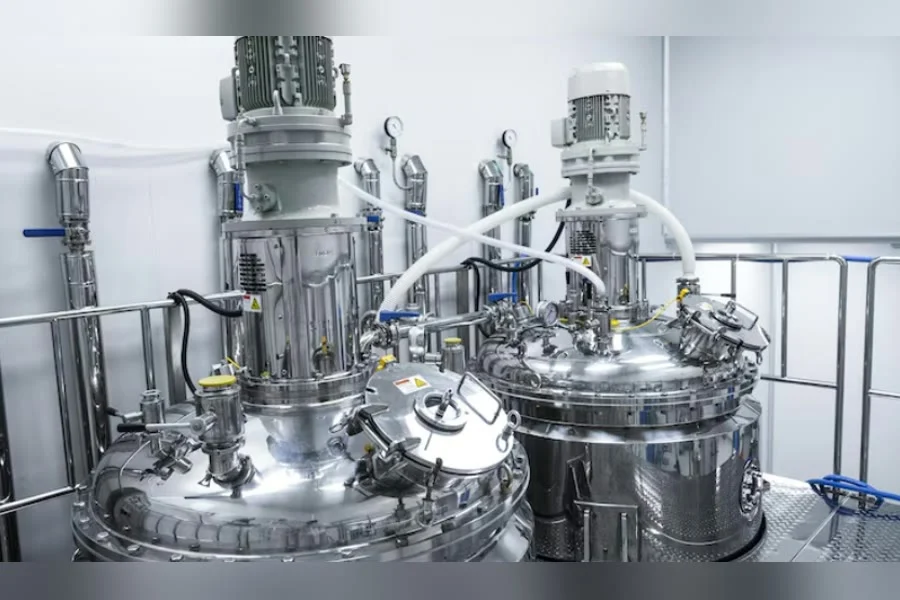
Blowers or air compressors provide the airflow needed to move materials through the pipeline. Their capacity must match the system’s operating requirements. Pipelines create the route through which air and materials travel, so their size, length and layout can influence conveying performance.
Feeders control how materials enter the conveying line. Consistent feeding helps maintain a stable flow and prevents the system from receiving more material than it can handle. Receivers separate the transported material from the air when it reaches its destination. This allows the material to be discharged while the conveying air is managed through suitable filtration equipment.
Other components, such as valves, filters, sensors and control panels, help regulate the process. When all these elements work together correctly, the system can support reliable material transfer and easier operation.
Technology and Continuous Improvement
Technology continues to improve the way industrial conveying systems operate. Modern control equipment can help operators monitor airflow, pressure and material movement. These measurements provide useful information about system performance and can help identify unusual operating conditions. For more on a related topic, you may find our article on the future of Internet of Things technology useful.
Automation can also make material handling more consistent. Instead of relying entirely on manual adjustments, control systems can regulate certain processes according to set operating requirements. This can reduce the chance of human error and support smoother production.
Sensors may also help maintenance teams identify potential problems before they cause major interruptions. Changes in pressure, temperature or other operating measurements can indicate that a component needs attention. Regular monitoring, combined with planned maintenance, can help reduce unexpected downtime.
Pneu Powders Systems places importance on engineering improvements that support practical industrial needs. The value of technology lies not only in adding new features but also in making systems easier to operate, maintain and manage.
Energy Efficiency and Environmental Benefits
Energy consumption is an important consideration when choosing industrial equipment. Pneumatic conveying systems require power to generate airflow, so an unsuitable design can lead to unnecessary operating costs. Selecting the correct blower capacity, pipeline dimensions and operating conditions can help improve efficiency.
An enclosed conveying system can also help control dust during material transfer. This is useful in workplaces where airborne particles may affect cleanliness, product quality or working conditions. Suitable filters and dust collection equipment provide an additional way to manage the air leaving the system.
Reducing material loss is another important benefit. When powders and granules are transferred through a properly designed enclosed system, there may be less spillage and waste compared with some open handling methods.
However, the environmental performance of a system depends on its design, equipment and maintenance. Regular inspections and adjustments help ensure that it continues to operate as intended.
Safety and Operational Requirements
Safety must be considered throughout the design, installation and operation of pneumatic conveying equipment. The materials being transported, the pressure used and the surrounding working environment can all affect the safety requirements of a system.
Dust control is particularly important when handling fine powders. Some materials may create health risks when inhaled, while certain combustible dusts can present fire or explosion hazards under specific conditions. Appropriate filtration, ventilation, grounding and protective measures should be selected according to the material and applicable safety standards.
Pressure protection and emergency shutdown arrangements are also important. Operators should understand how to respond to unusual pressure readings, blockages and equipment faults. Clear operating procedures can help prevent avoidable incidents and support consistent performance.
Pneu Powders Systems considers safety as part of the wider engineering process. A suitable solution should account for the materials being handled, the facility’s operating conditions and relevant regulatory requirements.
Training, Maintenance and Technical Support
Installing a pneumatic conveying system is only one part of achieving reliable long-term performance. Employees must understand how to operate the equipment correctly and recognise signs that may indicate a problem.
Proper training helps operators manage start-up and shutdown procedures, monitor system conditions and respond to common issues. Maintenance teams also need to understand how to inspect important components, including blowers, filters, feeders, valves and pipelines.
Routine maintenance can help prevent minor faults from developing into larger problems. Worn components, blocked filters and air leaks may affect conveying performance if they are not addressed. Regular inspections and timely repairs can support equipment reliability and extend its useful service life.
Technical support is equally valuable when businesses need assistance with troubleshooting, system adjustments or maintenance planning. Access to knowledgeable support can help reduce production interruptions and keep operations running more smoothly.
Choosing the Right Pneumatic Conveying Solution
Selecting a suitable pneumatic conveying system requires more than comparing equipment specifications. Businesses should consider the materials they handle, their production requirements and the conditions within their facilities. A system that works well for one type of powder may not provide the same results with another material.
It is also important to consider future production needs. If a facility expects to increase capacity or change its processes, the conveying system should be assessed for its ability to accommodate those changes. Planning ahead can help avoid unnecessary modifications later.
Working with an experienced system provider can make this process easier. Pneu Powders Systems offers an engineering-focused approach to material handling, helping businesses consider the technical details involved in developing a suitable solution.
The Future of Pneumatic Conveying
Industrial production continues to place greater importance on efficient, safe and dependable material handling. Pneumatic conveying systems offer a practical way to transport powders and granules while supporting cleaner production areas and organised workflows.
Advances in automation, monitoring and system design will continue to influence how these solutions are developed. Businesses that invest in properly designed equipment can improve material movement, manage operating costs and support consistent production.
Through careful engineering, suitable components and ongoing technical support, Pneu Powders Systems aims to meet the changing needs of industrial material handling. A well-planned pneumatic conveying solution can become a valuable part of an efficient production facility, helping businesses maintain reliable operations as their requirements develop.