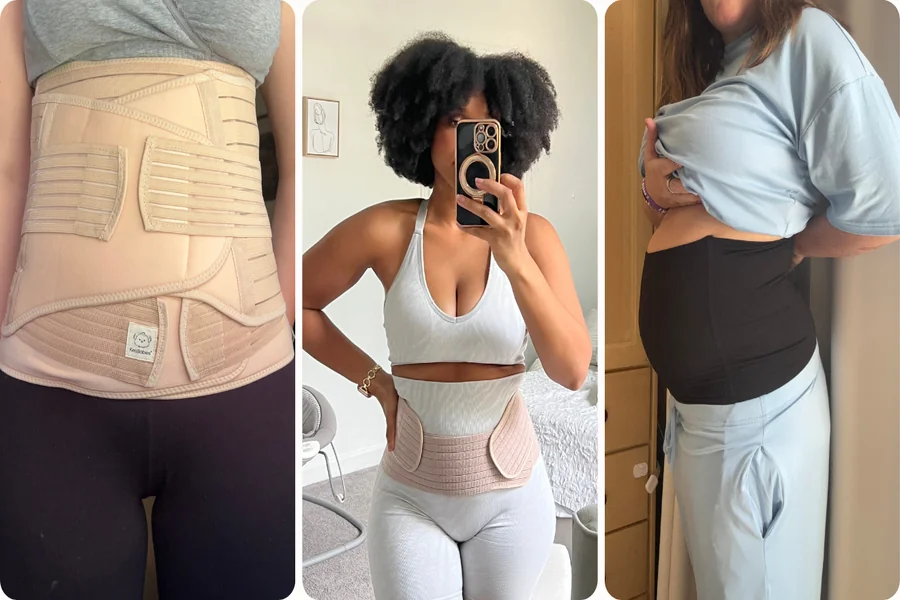

You just gave birth and your body is going through some of the crucial changes. Whether it be the loosened abdominal muscles or certain hormonal changes, your core takes the hit.
It often forces new mothers to look for some external support which can ease their discomfort. That’s when an abdominal belt comes into action.
The abdominal belt can aid after delivery by providing a little extra support and care required during early weeks after delivery. They can directly take the load off from core muscles while evenly holding it in place to speed up the recovery process.
In this article, we will explore some of the features to look for in abdominal belts which can make it best. We will also discover how the abdominal belt works and how to use it correctly.
Let’s dive in!
What Is A Postpartum Abdominal Belt?
Postpartum belly wrap or binder is a broad stretch compression wrap that is used to support a women’s abdomen, pelvis and lower back after the delivery.
As the belly expands, it actually pulls the abdominal muscles tighter than their natural state. After child birth they become compromised as well as weak. With a postpartum support belt there is presence of an external structural aid during daily movement.
How It Can Help With Postpartum Recovery?
Stabilises a Weak Core
It removes strain from the core muscles which gives a physical counter-pressure on the area.
Relieves C-Section Incisions
Mothers who have undergone a cesarean section can use the belt to hold in the cut as well as reduce load on it. This minimizes the pain of coughing or laughing.
Eases Backaches after Birth
Frequent bending over to nurse the baby puts strain on the spine. The waist strap of the belt provides support to the lumbar region and alleviates postural strain.
Supports Diastasis Recti
Treats the separation of abdominal muscles which help to bring the tissues together as they heal.
Provides Comforting Containment
There is a quick reduction of pressure post delivery making the abdomen feel loose or empty. The wrap can give a feeling of physical containment.
What To Look For In The Best Abdominal Belt For Postpartum Support?
1. Multi-Piece or Segmented Design
Look for a multi-piece system as they allow isolated and adjustable tension across different zones of the pelvic region. As the uterus naturally shrinks and post-delivery fluid swelling goes down over the weeks, a segmented design allows adjusting of the individual sections which can match the changing structure of the body.
2. Anatomical Construction and Fastening Mechanics
-
Wide Velcro Panels
Look for heavy-duty medical grade velcro closures with wide front panels. This ensures the belt stays flat and secure while allowing adjustments according to the shifts throughout the day.
-
Dual Tension Side Straps
Premium belts feature secondary elastic overlay straps. Once the main belt is closed, you pull these side flaps forward to add targeted, supportive compression exactly where you need it most without overtightening the entire garment.
-
Contoured Edging
Both edges at the top and bottom should be gently curved to follow the natural structure of a woman’s hips and ribs. Edges that are straight and rigid can cut into your skin as you sit down.
3. Fabric Engineering and Breathability
-
Porous Monofilament Elastic Webbing
Select porous fabrics as new mothers who are experiencing hormone fluctuations and more sweats, a moisture-wicking fabric will not trap heat and cause rashes.
-
Low-Profile Soft Stitched Borders
The raw edges of the seams with flat hypoallergenic bias tape will keep the edges from chafing the skin.
4. Tailored Features Based on Your Delivery Type
| Delivery Type | What the Belt Must Have | Why It Matters |
| C-Section |
|
Protects the healing surgical incision from painful rubbing, scratching or pulling |
| Vaginal Delivery |
|
Compresses and stabilizes loose hip bones and pelvic joints as ligaments naturally tighten |
How To Wear It The Right Way?
-
Layer First
Cover with a soft, comfortably breathable cotton lining. Ensure the elastic or Velcro does not touch your skin or any new wound.
-
Lie Down Flat
In the first couple of weeks in the recovery period women should lie flat on the back in bed with the belt on. It helps to naturally support the internal organs and keep the abdominal wall flat.
-
Set the Base
The back of the belt should be centered against the lower back. The bottom should be positioned at the pelvis bone line at the same level as the hip joint when sitting.
-
Secure with Comfortable Tension
Pull the panels forward and fasten the main closure. The tension must allow deep breathing and comfortably sliding of the two fingers under the edge.
-
Adjust the Side Straps
If your belt has secondary side tension bands, pull them forward gently to add targeted support across your lower belly or lower back.
Tips For Smoother Recovery
1. Log Roll Bed Exit
Roll entirely onto your side first, then use your arms to push yourself up to a seat. This prevents severe pain and protects healing stomach muscles and stitches.
2. Splinting
Hold a firm pillow tightly against your belly while coughing, sneezing or laughing. The pillow absorbs the sudden shaking and keeps the stitches safe.
3. Rest Your Core
Do not do heavy lifting for the first 6 to 8 weeks. Pressuring the core muscles too early can cause long-term injuries or bladder issues.
4. Feed While Sitting Tall
Bring the baby up to the chest using nursing pillows. Never slouch or bend down constantly while holding the baby.
5. Drink Water and Eat Fiber
Drink plenty of water and eat fiber rich foods like fruits and vegetables to keep your stool soft. Straining on the toilet puts dangerous pressure on the recovering belly and pelvic area.
Wrapping Up
The best abdominal belt for postpartum support is the one that fits you well and must feel soft on the skin. It should be adjustable according to your body changes and must be easy to use even when you’re tired or busy.
Consult your doctor first before incorporating it in your daily routine to know exactly what to expect from your abdominal belt. A good belt can’t heal the cuts but it can surely make the first few weeks of recovery more comfortable and secure.