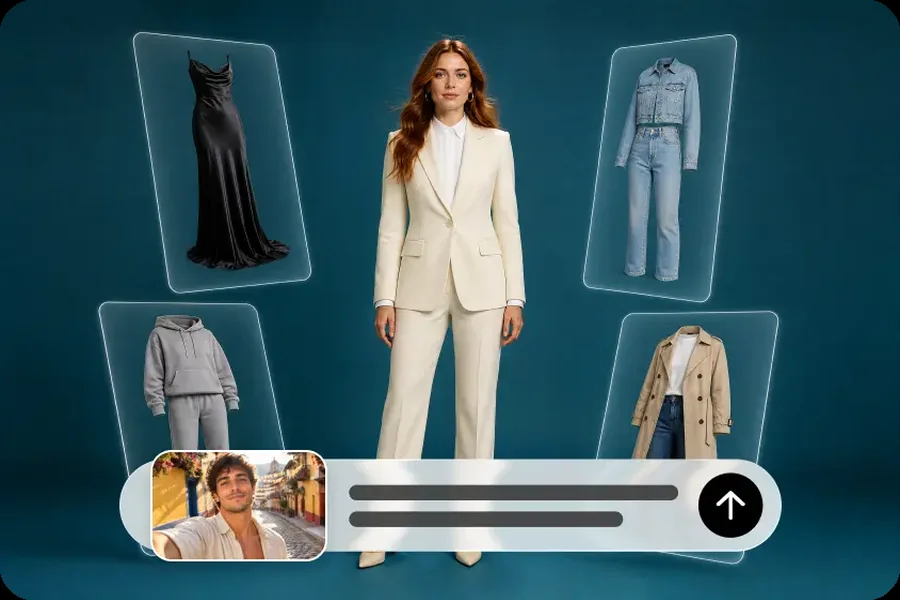

The internet has created many chances for people to freely share ideas online, to form their own communities, and to carry on businesses through the web. In this context, one fascinating trend is the emergence of AI influencer who are a fictional entity meant to be a representation of the user and who can generate content and interact with social media audiences at the same time.
What Exactly Is an AI Influencer in This Digital Age?
In simple terms, an AI influencer is nothing but a character made by artificial intelligence to be present on social media. These can be realistic human beings, characters created by animation, or even a pure fantasy character. Even though these characters cannot be considered genuine personalities, real people normally handle their content, their posting schedules, and their social activities. Such digital characters are programmed, and they are capable of interacting with other digital characters or online audiences, in a fashion similar to how traditional social media celebrities do. Besides fashion inspiration, they can also be used in popular topic discussions, promotion of products, and joining online trends. The digital nature of these personalities allows the creators to have almost total influence over their looks, their personalities, and the direction of their content.
Is There a Valid Reason Behind the Increasing Popularity of These AI Personalities?
The reason behind this can be social media users who are quite naturally always looking for something new and different. Virtual personalities are different from real ones because they blend the digital aspect of creativity with the influencer-style content that is familiar to people. Because of their unique appearances and carefully crafted identities, people may get curious and decide to check out their profiles.
One other thing that has made them so successful is creative freedom. A content creator can have the virtual character appear in various environments, dress up differently, and develop new situations without having to hold expensive traditional photo shoots. In that way, the whole process becomes more flexible and creative.
What the Next Generation of Virtual Influencers Might Be Like
As image processing, animation, and communication technologies further advance, digital personalities may become even more responsive and engaging. Characters of that time, if we look at them closely, may be able to carry on quite lifelike chats, pop up in 3-dimentional environments, and customize user experience, just to name a few things.
Along with that, companies might be inspired to create their own brand ambassadors, which are, in a sense, virtual versions of the people. They would be the ones to convey information from the company to its consumers through digital media.
Nonetheless, the public is still going to be the first to react to a piece of novelty. That is to say, people are, generally, going to appreciate more creative and unconventional solutions, as well as honest ones. The production quality may significantly improve thanks to the latest developments in technology, but what really counts is a human touch behind those ideas and communication, which are going to matter to the people.
Conclusion
With the appearance of virtual personas, the future direction of social media and entertainment, as well as digital marketing, is going to change completely. Through this method, the content creators get to make their own fantasy characters, try new content styles, and find a range of new business possibilities.
Though, a strong personality on the web is not only about having eye catching visuals. It involves being true over a long period of time, telling engaging stories, keeping the fans engaged in the conversations and being honest. These elements combine to create a reliable digital identity. Alongside the growth of creative tech, AI ambassadors will bring about endless new ways of people interacting online.
Frequently Asked Questions
What Exactly Is the Function of an AI Influencer?
Its primary goal is to generate and distribute web content using a virtual image, which can be both human-like and machine-like. Such characters can give people a good time and also be a source of factual information. They can serve as a means of advertising or publicising a product and also a way of promoting and supporting a marketing campaign.
Is It Possible that a Virtual Character Will Possess Its Own Personality?
If so, the answer is quite definite. Through their creativity, artists can design fictional likes, ways of communication, and even histories so that their virtual creation will be able to present itself as a well-knit and stable character.
Which Areas or Topics Would Virtual Influencers Work Best?
The areas most commonly represented by virtual personalities are fashion, beauty, travel, fitness, technology, leisure, lifestyle, and education industries, for example.