What is the Difference Between Craft and Draft Beer?
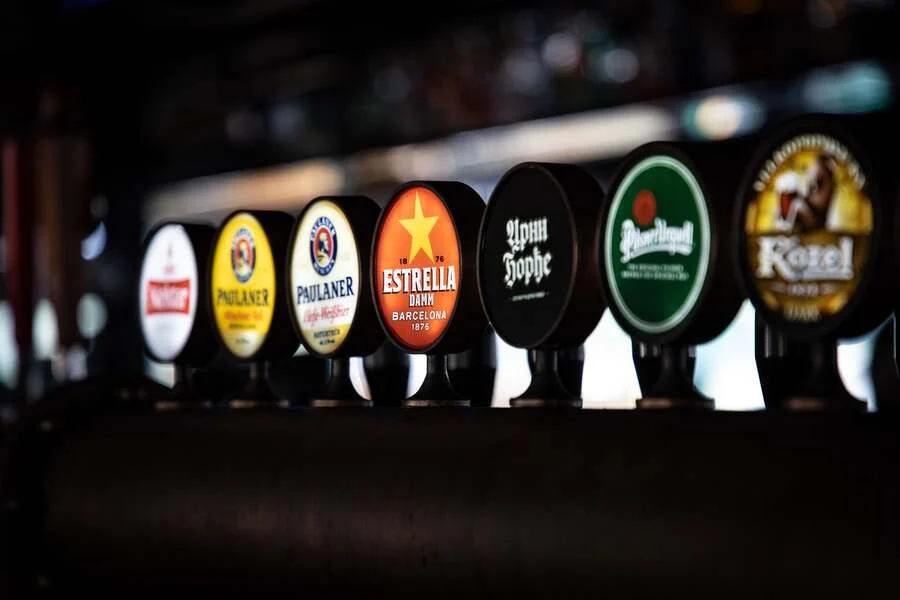
You walk into a busy pub, look at the chalkboard menu, and freeze. The bartender asks what you want, and you’re surrounded by terms like “microbrew,” “house draft,” “cask-conditioned,” and “artisanal IPA.” Most people use the words interchangeably, but calling a pint “craft” isn’t the same thing as calling it “draft.” In the world of beer, those two words are talking about completely different parts of the drinking experience.
One describes how the liquid is made. The other describes how it ends up in your glass.
Once you understand the difference, ordering at the bar gets a whole lot easier.
Craft is about who makes it (and why)
Craft beer is all about production philosophy. To be officially considered a “craft brewery,” a brewer generally has to be small, independent, and traditional. It’s not owned by a massive multinational conglomerate that cranks out millions of barrels of pale lager every month.
Craft brewers focus on flavor, experimentation, and quality ingredients. They’re the people throwing fresh pine needles into an IPA, aging imperial stouts in old bourbon barrels, or using heirloom malts grown thirty miles from the brewery.
They use four basic ingredients: water, malted barley, hops, and yeast. They don’t cut corners with cheap filler ingredients like corn syrup or rice to dilute costs.
In short: Craft is an identity. It’s about craftsmanship, creativity, and independence.
Draft is simply how it’s served
Draft beer (often spelled “draught”) has nothing to do with the recipe, the brewery size, or the hops. It purely refers to beer served from a keg or cask rather than a can or bottle.
A draft system uses pressure—usually carbon dioxide, nitrogen, or a blend of both—to push the liquid out of a pressurized stainless steel keg, through chilled lines, and out of a tap handle directly into your pint glass.
Because it’s just a delivery method, literally any beer can be a draft beer. You can have a draft Bud Light, a draft Guinness, or a draft small-batch sour ale from an obscure local microbrewery.
Can a beer be both? (The Venn diagram)
A beer can be craft, draft, both, or neither:
- Both Craft and Draft: You sit at a local taproom and order an IPA brewed on-site, poured straight from the tap behind the bar. It’s independently made (craft) and served from a keg (draft).
- Craft, but NOT Draft: You buy a four-pack of artisanal, bourbon-barrel-aged stout in glass bottles or 16-ounce cans from the grocery store. It’s craft, but it’s packaged, not draft.
- Draft, but NOT Craft: You order a pint of Stella Artois, Heineken, or Coors Light on tap at a sports bar. It’s draft, but it’s mass-produced by a corporate beverage giant—definitely not craft.
- Neither Craft nor Draft: A standard aluminum can of Miller Lite you pull out of a cooler at a backyard barbecue.
Why people care so much about draft
There’s a reason beer lovers scan the tap handles the second they walk into a bar. Freshness.
Beer in a keg is protected from its two biggest enemies: oxygen and light. Sunlight reacting with hop compounds creates that skunky, stale smell you sometimes get in bottled beer. A stainless steel keg blocks light entirely.
Plus, draft beer often has a softer, smoother mouthfeel because the carbonation is dialed in at the tap system, especially if it’s poured on nitrogen (like a classic stout).
There is one big catch, though: dirty lines. If a bar doesn’t clean its draft beer lines every two weeks, wild yeast and bacteria build up inside the plastic tubing. That ruins even the best craft brew, giving it a buttery, sour, or metallic aftertaste. If a bar looks messy, you’re often safer ordering a bottle.
The takeaway
Next time you’re out, keep it simple, and keep an eye on portion sizes as you would with anything else you drink.
Ask yourself two quick questions: Do you care who made it? Look for craft. Do you care how fresh it tastes from the tap? Order draft. When you find a beer that’s both, that’s usually where the magic happens.



Leave a Reply