
As important as eating healthy foods, the quantity of food consumed is also significant. Healthy foods can become unhealthy when the size of the portions are too large. Knowing the amount of food that is appropriate can help you plan a well-balanced meal, control energy intake and establish more nutritious eating patterns without food being too constricting.
This doesn’t mean that you have to eat small meals and focus on calories all day long. It’s more about being mindful of the quantity of food you are feeding them and if it is enough to meet your hunger and nutritional needs.
What Is a Portion Size?
Food portion is the quantity of food you select to eat at a time. May be more or less than the recommended amount on a nutrition panel.
A serving size, however, is a fixed quantity that can be used to give nutrition information. For instance, if the package says there are nutrition facts for one cup, but you may consume two cups.
This distinction is important to be aware of to make nutrition labels more useful. Eating double the serving sizes listed is roughly double the calories and nutrients listed on the label.
How Portion Sizes Affect Your Diet and Calorie Intake
Calorie consumption is one of the largest factors that affects your diet due to portion size.
Just as people naturally eat more when more food is put on their plate, they will also eat more when they are offered larger portions. Bigger portions can become normal if the restaurant portions are larger, their snacks are oversized and their family-sized meals are more substantial.
A high calorie intake over time can lead to chronic weight gain. This can occur even if the foods are healthy.
For instance, foods like nuts, avocado, olive oil, cheese and whole grains provide beneficial nutrients. They can also be high in calories, though. By eating sensible amounts, you can get the nutrition without taking in extra calories that you may not need.
Portion Size Can Influence Meal Balance
Portion control isn’t just about eating less. It can also help you to create more balanced meals.
Now picture a plate half full of pasta and just a little bit of meat and veggies.Now picture a plate half full of pasta and a little bit of meat and vegetables. The meal might be high in carbs and low in other food groups.
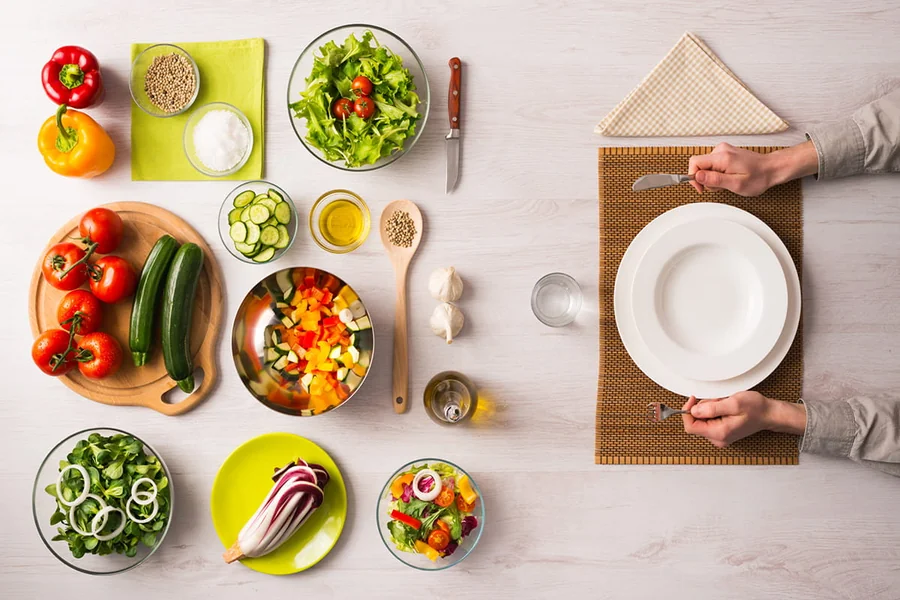
A healthier way to eat is to split the plate between vegetables, protein, and carbs.
A plate method can contain any of the following:
- Half of the plate of vegetables and fruit
- A little less than 25% protein
- Approximately 25% whole grain or other carbohydrate sources
This can help you vary your food, and also help you to naturally control your portion sizes.
Larger Portions Can Make It Harder to Recognize Fullness
Hunger and fullness cues help to regulate food consumption. But when there’s an abundance of food, these signals may be disregarded.
You might eat even if you are no longer hungry if you finish everything on your plate.
Slowly eating can help. It helps your body to know when it’s just right.
Experiment with slowing down and putting the fork down from time to time, taking smaller bites and listening to your body during the meal. If you are already full, don’t clean your plate.
Portion Sizes at Restaurants
Serving sizes in restaurants will be bigger than most people would serve at home. Some meals might be adequate for two servings or more.
It is not essential to steer clear of restaurants. Rather, look at some basic tips to control portion sizes.
You could eat shared meal, a smaller meal, an appetiser sized meal, or part of the meal at home with you.
Alternatively, you can portion out the meal prior to consuming it. Determine how much is enough and set aside the remainder for another time.
This can make you feel better about the food you’re eating at restaurants without getting too bloated.
Be Careful With Snack Portions
Portions of snacks can quickly add up, especially if they are served straight out of the large bag or container.
You may find yourself eating chips, crackers, nuts, or cereal while watching TV and then end up with a package that’s gone.
Instead, put a reasonable amount in a little bowl or plate. Keep out of sight until you are ready to eat.
This makes it easy to see a stopping point and just how much you actually ate.
Pre-portioned snacks may also be helpful when you are busy or traveling.
Use Smaller Plates and Bowls
The size of dishes could have an impact on what you feed yourself.
To avoid oversizing, large plates have been known to make small portions seem large, which might lead to an increase in food. It may seem that the same amount is more satisfying on smaller plates.
It’s not necessary to throw out everything. Knowing what size plate you are using can help.
Begin with an appropriate amount. When you’re still hungry after eating all that, you can have more.
This is preferable to offering a large portion as a default.
Learn to Estimate Portions
It is not required to measure all food with cups or kitchen scales. Visual estimation of portions can be helpful if you learn basic estimates.
For instance, the palm of your hand can be used to estimate a protein portion like a chicken or fish. Use the fist to measure some of the foods like cooked vegetables or rice.
All these are general guidelines only as each person’s nutritional requirements are different.
How much food is needed can depend on a variety of factors, including age, body size, activity level, health goals and overall diet.
Pay Attention to Drinks
The quantity of beverages is also important.
Fruity drinks, sweetened coffee, milkshakes and sugary drinks are all good sources of calories when offered in large cups. It can be easy to take in additional energy when consuming liquids, since they often don’t make you feel full as solid foods do.
For most people, water is a useful drink every day of their life. Depending on the personal preference, unsweetened tea or coffee may be alternatives.
It isn’t necessary to stop drinking more calorie dense drinks. Just think about how often you drink them, and the volume of the serving.
Avoid Becoming Too Restrictive
It should not be stressful to manage the right amount of food when eating it healthily.
Keeping in mind the portion sizes all the time or trying to eat tiny amounts might not be necessary for most people. It can also make food less appetizing.
Rather, concentrate on creating awareness.
Eat only when you are hungry. Choose a reasonable amount of food. Eat slowly. Next, watch how good you feel.
There may be days that you need to eat more than others. Your needs can be affected by physical activity, appetite, meal times, and other factors.
Moderation is key to a healthy eating pattern over time.
Final Thoughts
By gaining insight on the correct portion sizes for your diet, you will be able to make better choices without giving up all your favorite foods. Larger servings may lead to more calories consumed, alter the nutrient composition of meals, and sometimes to eating more than is felt as full.
Little things can make a big difference. Take sensible sized plates, serve snack portions in bowls, pay attention to portion sizes at restaurants, eat slowly and listen to your hunger and fullness cues.
It is not a perfectionistic objective, the goal is to make each portion as good as possible. Rather, try to find balance and awareness. A healthy and sustainable eating plan can be made easier through implementing portion control as a habit.