Lactose-Free vs Regular Milk: What’s Better for Babies?
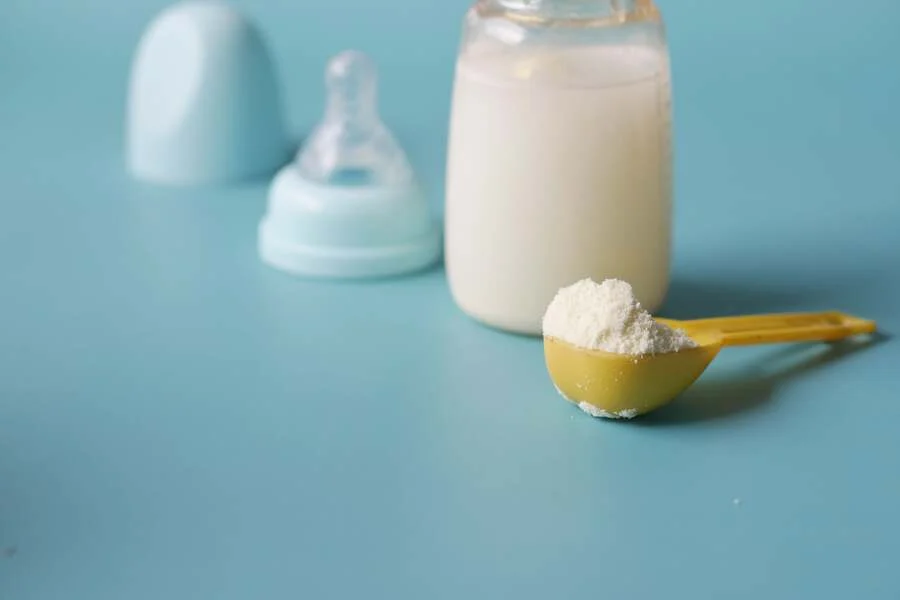
When you’re standing in the kitchen at two in the morning, running on three hours of sleep while your baby screams with their knees tucked up to their chest, your brain goes straight to panic mode. You start searching Reddit on your phone. You spiral. Before you know it, you’re frantically googling which milk is best for baby and wondering if you’re accidentally poisoning their little gut.
Put the phone down for a second.
Before you run out at sunrise to clear the grocery store shelves of every expensive dairy-free carton, let’s talk about what’s actually happening in your kid’s stomach.
The under-one-year rule (seriously, don’t skip this)
First things first: if your baby isn’t one year old yet, they shouldn’t be drinking cow’s milk at all. Not regular whole milk. Not skim. Not lactose-free. None of it.
Their kidneys just aren’t ready for that kind of mineral and protein load, and cow’s milk doesn’t have the iron or vitamins an infant needs to survive. Under twelve months, it’s breast milk or formula only. Period. If your tiny baby is miserable and gassy right now, switching to a carton of cow’s milk isn’t the answer—you need to chat with your pediatrician about their formula or what’s going on with breastfeeding.
Lactose isn’t the bad guy here
We live in a world where half the adults we know claim to be lactose intolerant, so we assume our babies are, too.
They usually aren’t. Lactose is just the natural sugar in milk. In fact, human breast milk is packed with it—way more than cow’s milk has. Nature did that on purpose because lactose feeds healthy gut bacteria and helps babies absorb calcium.
True, born-with-it lactose intolerance is ridiculously rare. It’s a genetic condition, and trust me, you’d know immediately because your newborn would be dangerously sick and losing weight within their first forty-eight hours of life. Regular baby fussiness and smelly diapers? That’s just having a brand-new digestive system that’s still figuring out how to work.
Are you confusing lactose with a milk allergy?
This is where almost everyone gets tripped up. There’s a massive difference between a lactose issue and a Cow’s Milk Protein Allergy (CMPA).
Lactose is a sugar. An allergy is an immune system freak-out over the protein in milk, like whey or casein.
If your baby actually has a milk protein allergy, buying lactose-free milk won’t do a single thing. The proteins are still in there. The immune system will still attack them. If you’re seeing real allergic symptoms—like hives, rough eczema, or tiny specks of blood in their diaper—you don’t need lactose-free milk. You need an extensively broken-down hypoallergenic formula prescribed by a doctor.
What about after their first birthday?
Once they hit twelve months, game on. They can drink real milk.
For almost every toddler, regular, pasteurized whole cow’s milk is exactly what they need. Don’t buy skim. Toddlers need that fat because their brains are growing at an insane speed, and fat is literal brain fuel.
So when would you buy lactose-free?
Usually, only after a nasty stomach bug.
If your toddler gets a bad bout of rotavirus or food poisoning, that bug can temporarily scrape away the lactase enzymes living on their intestinal wall. That’s called secondary lactose intolerance. For a week or two after being sick, regular milk might give them instant cramps and loose stools. That’s the one time grabbing a carton of lactose-free whole milk is a genius move. It gives their gut a two-week vacation to heal up and rebuild its natural enzymes.
Don’t overthink it
If your kid is over one and eats yogurt and cheese without turning into a cranky mess, buy normal whole milk. It’s cheaper, it tastes better, and it gives them the fats they need. For more on the early months, read what parents should know about infant care.
Save yourself the 2:00 AM panic. Call your pediatrician before you start switching things up—it’ll save your sanity and your wallet.



Leave a Reply