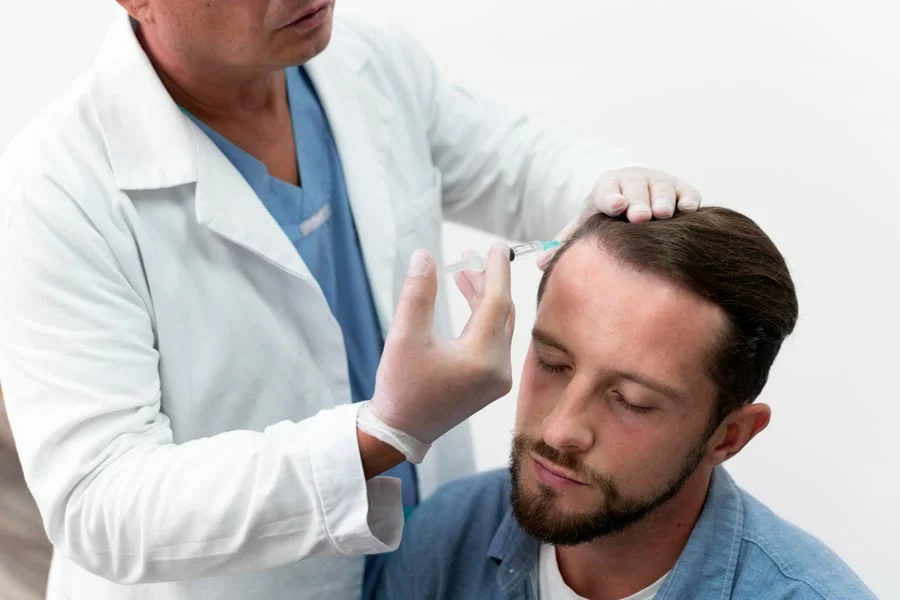

Considering a hair transplant is a significant decision. Before choosing a clinic or committing to a procedure, you need to understand why your hair is thinning, whether you are a suitable candidate and what kind of results are realistic. A consultation allows you to discuss these concerns with a medical practitioner and receive an assessment based on your individual circumstances.
In Singapore, clinics offering hair restoration services may provide different treatment approaches, techniques and pricing structures. Comparing them based on cost alone is not enough. The quality of the assessment, the doctor’s experience and the proposed treatment plan all deserve attention. Those exploring their options can learn more about Sage Medical Clinic Hair Transplant and its hair restoration services.
Knowing what happens during a hair transplant consultation also helps you prepare useful questions and make a more informed decision.
Discussing Your Hair Loss History
A consultation usually begins with a discussion about your hair loss. The doctor will want to understand when you first noticed thinning, how quickly it has progressed and which areas are affected.
You might be asked whether hair loss runs in your family, whether you have experienced any recent changes in your health and whether you take medication or supplements. Previous hair restoration treatments and any scalp conditions are also relevant.
These details help the doctor consider possible causes of hair loss. Male and female pattern hair loss are common reasons people explore transplantation, but thinning can also result from other conditions, medication, hormonal changes or temporary shedding.
A transplant is not automatically the right solution for every type of hair loss. If the cause is unclear, further medical assessment might be necessary before discussing surgery.
Examining the Scalp and Donor Area
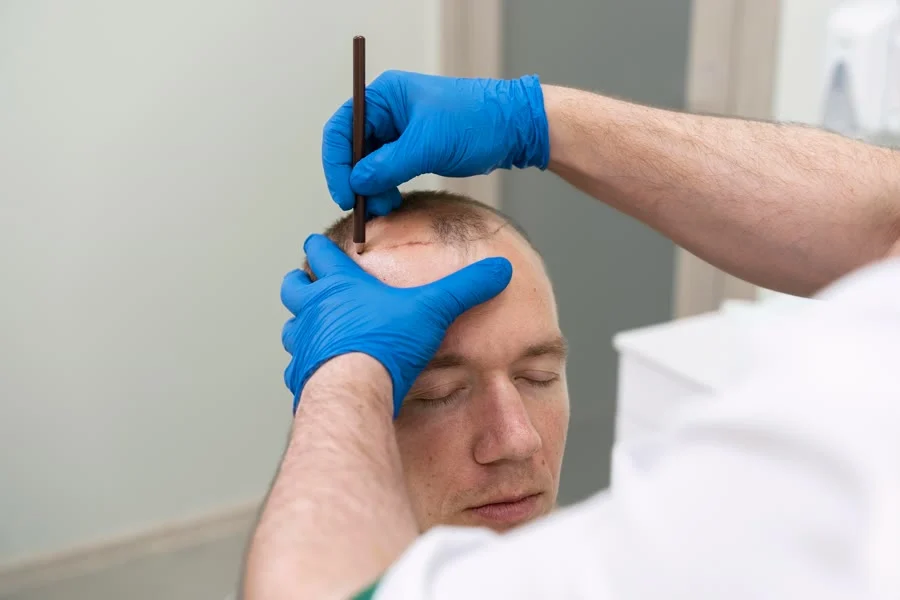
The physical examination is an important part of the consultation. The doctor will assess the areas where hair has become thin or disappeared, as well as the condition of the scalp.
Particular attention is given to the donor area, which is usually located at the back and sides of the head. Hair follicles are taken from this region and transferred to areas that need greater coverage.
The density, thickness and distribution of donor hair influence how many grafts might be available. The doctor will also consider whether the donor area is likely to remain relatively stable as hair loss progresses.
This assessment matters because donor hair is limited. Removing too many follicles can leave visible thinning in the donor area, while an overly ambitious treatment plan might use grafts that are needed for future procedures.
The doctor may take photographs or use specialised equipment to examine hair density and the scalp more closely. These findings help establish whether transplantation is appropriate and what coverage might realistically be achieved.
Understanding Whether You Are a Suitable Candidate
Not everyone experiencing hair loss is a suitable candidate for a transplant. The doctor needs to consider your age, hair loss pattern, donor hair supply, general health and expectations.
For example, someone with rapidly progressing hair loss might need to wait until the pattern becomes more predictable. Transplanting hair too early without considering future thinning can produce an uneven appearance over time.
People with insufficient donor hair might also have limited options. Certain medical conditions or scalp disorders can affect suitability, so these need to be discussed before any procedure is planned.
The doctor should explain the reasons behind the recommendation. If transplantation is unsuitable at the time of consultation, alternative approaches or further investigations might be suggested.
A responsible assessment should not pressure you into booking surgery immediately.
Discussing Hair Transplant Techniques
If you are considered a suitable candidate, the doctor will explain the available surgical techniques and which approach might suit your circumstances.
Follicular Unit Extraction (FUE) involves removing individual follicular units from the donor area before placing them into the recipient area. It avoids the long linear incision associated with traditional strip harvesting, although small scars can still remain. For more on a related topic, you may find our article on hair shedding vs hair loss useful.
Follicular Unit Transplantation (FUT), also known as strip harvesting, involves removing a strip of scalp from the donor area. The strip is then divided into individual follicular units for transplantation. This technique generally leaves a linear scar that is usually concealed by surrounding hair.
Neither method is automatically better for everyone. The choice depends on factors such as donor characteristics, hairstyle preferences, the number of grafts required and the doctor’s assessment.
The consultation should also cover the procedure itself, including how grafts are harvested, how the recipient area is prepared and what type of anaesthesia is used.
Setting Realistic Expectations About Results
A hair transplant moves existing follicles from one area of the scalp to another. It does not create new hair follicles or stop existing hair from thinning elsewhere.
This distinction is important when discussing the expected outcome. The doctor should explain how much coverage is achievable with the available donor hair and whether the proposed hairline suits your facial features and age.
Results take time. Transplanted hairs commonly shed during the early recovery period before new growth develops. Visible improvement typically takes several months, while the final appearance may take around 12 months or longer, depending on the individual and treatment area.
Understanding Costs and Possible Additional Expenses
Hair transplant costs in Singapore vary according to the clinic, doctor’s fees, technique, number of grafts and complexity of the procedure. Some clinics quote a package price, while others calculate costs based on the estimated number of grafts.
Ask for a clear breakdown of what the quoted amount includes. This might cover the procedure, consultation, medication, follow-up appointments and post-operative care, although arrangements differ between providers.
Asking About Risks, Recovery and Aftercare
Hair transplantation is a surgical procedure, so it carries potential risks. These include swelling, bleeding, infection, scarring, temporary numbness, poor graft growth and an unnatural appearance. Some patients also experience temporary shock loss, where existing hair sheds following treatment.
During the consultation, ask how the clinic manages complications and what support is available after surgery.
The doctor should explain how long recovery might take, when you can return to work and which activities need to be avoided temporarily. You should also receive instructions about washing your scalp, protecting the treated areas and attending follow-up appointments.
Final Thoughts
A hair transplant consultation is an opportunity to understand your hair loss and find out whether surgery is an appropriate option. The assessment should cover your medical history, scalp condition, donor hair supply, treatment techniques and realistic expectations.
Before choosing a clinic in Singapore, look beyond promotional offers and estimated graft numbers. A thorough medical assessment, clear explanation of risks and proper aftercare arrangements are important parts of making a well-informed decision.