Innovative Solutions in Healthcare Water Treatment for Hospitals
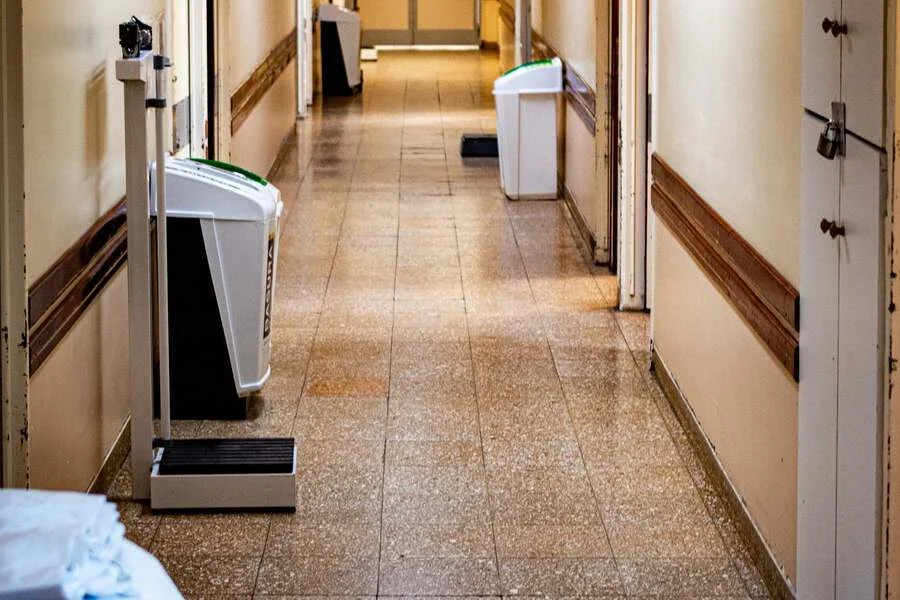
Water treatment in healthcare facilities is an essential component of hospital operations, ensuring both patient safety and regulatory compliance. The complexity and demands of hospital water systems require innovative solutions tailored to a healthcare environment. With increasing concerns over waterborne pathogens and contaminants, advancements in healthcare water treatment have become central to improving hospital hygiene and operational efficiency.
Understanding the Importance of Water Treatment in Hospitals
Hospitals rely on water for numerous critical functions, including sanitation, sterilisation of medical equipment, and patient care. Water must meet stringent quality standards to prevent risks associated with microbial contamination, chemical impurities, and particulate matter. Failure to adequately treat water can lead to outbreaks of healthcare-associated infections and compromise patient recovery.
Ensuring the consistent delivery of safe water in hospitals requires a comprehensive approach to water treatment, integrating physical, chemical, and biological processes. The objective is to deliver water suitable for diverse applications, from general cleaning to specialised medical procedures.
Challenges in Healthcare Water Treatment Systems
Unlike typical municipal water systems, hospital water treatment faces unique challenges. These include the need to manage hospital-acquired infection risks such as Legionella pneumophila, Pseudomonas aeruginosa, and other opportunistic pathogens. Additionally, water systems must accommodate fluctuating demands and prevent biofilm formation in pipes and storage tanks.
Another challenge arises from the use of advanced medical devices that require ultrapure water for optimal performance. These devices demand water free of contaminants, which can interact negatively with sensitive instruments or internal bodily systems when used in dialysis, surgery, or intensive care.
Innovations in Filtration and Disinfection Technologies
Modern healthcare water treatment solutions increasingly incorporate advanced filtration techniques such as membrane filtration, ultrafiltration, and reverse osmosis. These processes effectively remove bacteria, viruses, and endotoxins, improving overall water quality. Innovative systems combine multiple filtration steps to enhance reliability and reduce dependence on chemical disinfectants.
Disinfection technologies have also seen significant advancement. Ultraviolet (UV) light systems are often deployed to inactivate pathogens without introducing potentially harmful chemical by-products. Coupling UV with conventional chlorination or chloramination provides a robust barrier against microbial proliferation while maintaining water safety standards.
Automation and Monitoring Systems
New water treatment installations in hospitals emphasize automation to ensure consistent performance and rapid response to system anomalies. Digital monitoring technologies track key parameters such as residual chlorine levels, temperature, and microbial counts in real time. Automated control systems adjust treatment processes accordingly, reducing manual intervention and mitigating risks of water quality deviations.
Continuous monitoring also supports compliance with healthcare regulations and facilitates record-keeping for audit purposes. Predictive analytics based on monitored data can pre-empt system failures or contamination events, ensuring uninterrupted supply of safe water.
Water Quality Regulations and Standards in Healthcare Facilities
Healthcare water treatment solutions must comply with various national and international standards. Guidelines issued by public health authorities and professional organisations dictate criteria for water quality, system design, and maintenance. Adhering to such standards requires thorough validation, routine testing, and documentation.
Compliance not only safeguards patients and staff but also minimises legal liabilities for healthcare providers. Integrated water treatment systems designed with regulatory requirements in mind aid hospitals in maintaining accreditation and operational excellence.
The Role of Sustainable Practices in Healthcare Water Treatment
In recent years, sustainability has become a critical consideration in water treatment facility design. Innovative solutions aim to reduce water consumption, energy usage, and chemical waste. Technologies such as water recycling, rainwater harvesting, and energy-efficient pumps contribute to greener hospital operations.
Implementing sustainable water treatment methods aligns with broader environmental goals within the healthcare sector and can reduce operational costs over time. Hospitals are increasingly adopting these practices as part of comprehensive environmental management strategies.
Case Studies Demonstrating Effective Water Treatment Solutions
Several hospitals have successfully integrated advanced healthcare water treatment systems with positive outcomes. These case studies reveal improvements in infection control, reduced water downtime, and enhanced patient safety metrics. They also highlight the importance of customised treatment plans tailored to facility size, location, and specific clinical requirements.
Collaboration between hospital management, water treatment experts, and engineers is essential in developing and deploying effective solutions. Such partnerships ensure that systems remain adaptable to evolving healthcare needs and technological advances.
Integration with Hospital Infrastructure
Innovative water treatment systems are designed to integrate seamlessly with existing hospital infrastructure. Modular designs allow for easy upgrades and expansions without major disruptions. Additionally, treatment units can be incorporated within central utility plants or positioned near critical care areas to enhance operational control.
Integration also extends to maintenance protocols, where new technologies facilitate easier inspection, cleaning, and replacement of components. This contributes to maintaining optimal water quality without compromising hospital workflow.
Training and Personnel Expertise
Successful healthcare water treatment depends not only on technology but also on skilled personnel. Hospital staff must be adequately trained in system operation, maintenance, and emergency response procedures. Educational programmes and technical support services help build expertise within healthcare institutions.
Regular training ensures that employees remain aware of potential water safety hazards and understand best practices. This enhances the effectiveness of installed water treatment solutions and supports a culture of safety centred on patient wellbeing.
Future Trends in Healthcare Water Treatment
Looking ahead, the development of smart water treatment systems incorporating artificial intelligence and machine learning may revolutionise hospital water management. These technologies could predict contamination events, optimise resource use, and enable more personalised water quality control.
Increased focus on antimicrobial resistance and emerging pathogens will drive innovation in disinfection methods. Hospitals will benefit from solutions that are both effective against resistant microorganisms and environmentally responsible.
Conclusion
Innovative solutions in healthcare water treatment are critical to the safe, efficient, and sustainable operation of modern hospitals. Advancements in filtration, disinfection, automation, and monitoring contribute significantly to improving water quality management. By addressing the unique challenges inherent in healthcare environments, these technologies protect patient health and support regulatory compliance.
As healthcare demands and technological capabilities evolve, ongoing investment in water treatment innovations will remain pivotal to hospital infrastructure. Continued collaboration among healthcare providers, technology developers, and regulators will ensure that water treatment systems meet the highest standards of safety and performance.



Leave a Reply