How Often To Pump A Septic Tank Depends On Four Things You Can Check Yourself
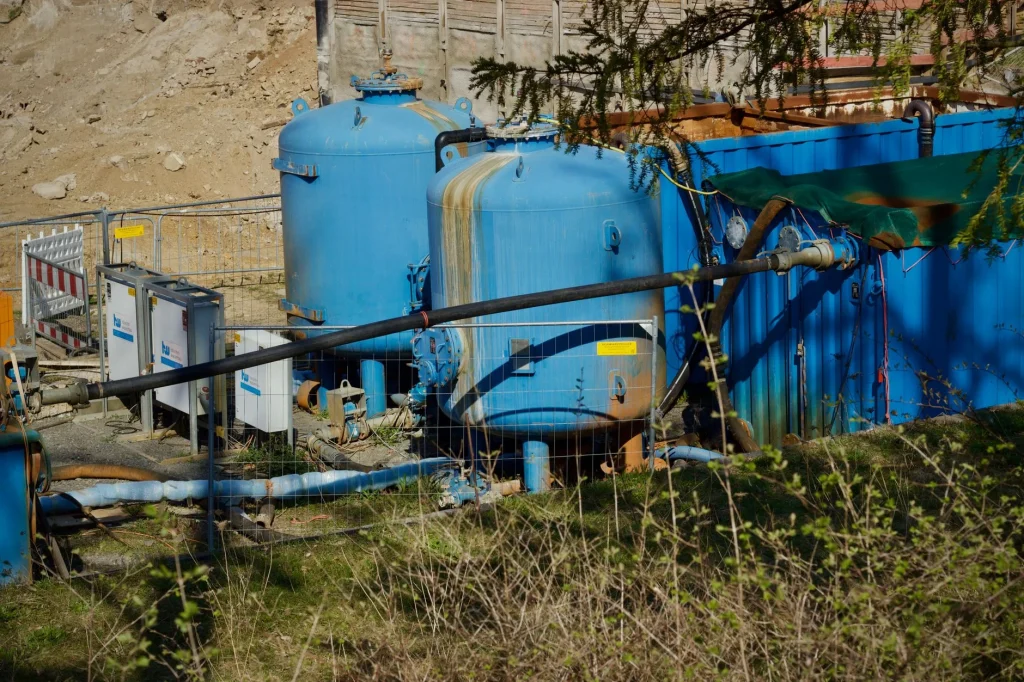
Most homeowners know their septic tank needs pumping eventually, yet waiting for a gurgling drain or a soggy yard is a stressful way to find out you waited too long. While general rules of thumb suggest pumping every three to five years, your actual schedule depends on how your household operates day to day. Paying attention to a few simple details around your home gives you a much clearer picture of when your tank is filling up. For homeowners looking for dependable Septic Services in Kernersville, NC, understanding these everyday factors helps you plan ahead and protect your property from costly backups.
Household Size and Daily Water Habits
First of all, one can easily assess how many people reside at your place and how much water is drained from your household each week. Having a crowded house where people shower daily and use other appliances causes a greater amount of wastewater to end up in the tank than having a quiet family of two members. Despite the constant number of residents, activities such as consecutive days of doing laundry or taking showers, or even dripping taps, will cause an additional amount of wastewater, which leaves less time for sedimentation.
Garbage Disposal Use and Grease Habits
The things that find their way to your kitchen sink are huge contributors to how fast scum and sludge form within your tank. Using your garbage disposal system means you have food particles and other substances that do not decompose very easily, which means scum forms at a faster pace. When you pour cooking oil, bacon grease, or buttered pans into the sink, the situation is exacerbated by the formation of fat that hardens and forms mats that block the inlet and outlet baffles. This means that your tank needs pumping sooner than those homes that discard food particles directly into the garbage bins.
Signs of Slow Drains and Yard Moisture
You do not need special equipment to spot early warning signs that your system is nearing capacity. Walk your yard after dry weather and look for unusually lush, bright green patches of grass or soft, spongy soil over the tank or drain field. Inside the house, pay attention to sinks, tubs, or toilets that drain noticeably slower than usual or make faint gurgling sounds when water clears. Catching these subtle clues early often makes the difference between routine septic tank pumping, septic system repair and a major overflow that damages your lawn or plumbing.
Past Service Records and Tank Size
Another easy way to do this is by checking out the papers that you may have from the previous owners or any service that has been done previously. The information of your tank's size and the date of the last service will help you calculate how quickly solids build up in your tank. A small tank that serves a big family will be filled faster than a large tank with less use, without having the record for several years.
Seasonal Visitors and Household Changes
These shifts in life around your house might go unnoticed until your pump's performance starts to falter, but a lot could happen to disrupt that schedule. Family visiting during holidays, a new baby, kids from college coming back to live at home, or long-term house guests all mean an abrupt influx in both wastewater and water flow. The installation of a super-efficient washing machine or a remodeled bathroom also affects the way water enters the pump. Reflecting on big changes in the house during the year will help you stay ahead of the game.
Final Thoughts
Even just a small amount of everyday awareness can do wonders for extending the lifespan of your septic system without any nasty surprises. You can keep ahead of necessary maintenance by knowing how much water is used within your house, seeing what ends up down the kitchen sink, recognizing the early signs of drainage and landscaping issues, and even remembering when your septic services were last performed. Whatever your needs for Septic Services in Kernersville, NC, be proactive and protect your home all year round.



Leave a Reply