How Modern NC Boring Systems Improve Surface Finishes on Difficult Alloys
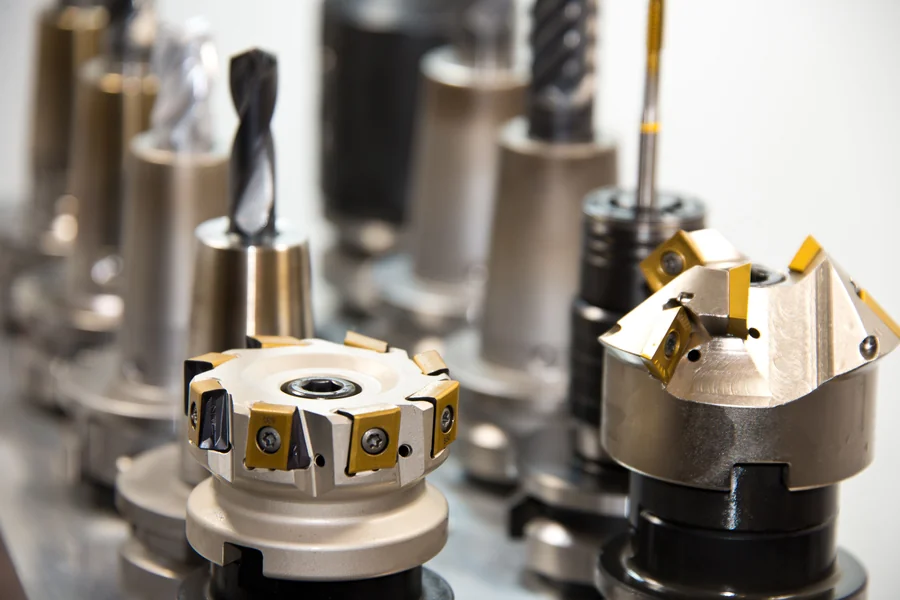
Many modern manufacturing facilities struggle when shaping stubborn aerospace materials into precise parts because these tough alloys resist standard cutting tools with their remarkable density and extreme hardness. Machinists often watch their equipment wear down rapidly while trying to achieve a smooth surface on these demanding workpieces. Traditional equipment frequently fails to maintain accuracy under the heavy pressure required for dense metals, leaving workers to spend extra hours smoothing out rough patches by hand.
Controlling Advanced Machine Movements
Modern fabrication shops now rely on computer guidance to direct every cutting motion with incredible precision across complex parts. This digital control eliminates human error during delicate shaping operations on expensive workpieces that cannot afford mistakes. Equipment can adjust its cutting path instantly to compensate for sudden material resistance without pausing production. Workers simply input the desired measurements and let the computer handle the fine details from start to finish.
Such digital precision ensures that every finished hole meets exact specifications without unexpected surface flaws or dimensional drift. Manufacturers no longer have to guess how a tough alloy will react to a sudden pressure change during deep cuts.
Regulating Consistent Cutting Temperatures
Shaping stubborn metals generates massive amounts of friction and intense heat very quickly, which causes standard materials to expand and warp during the cutting process. Newer tooling systems feature built-in cooling channels that direct fluid right where the metal meets the cutting blade to prevent thermal distortion. Keeping the cutting zone cool prevents the alloy from warping out of shape under heavy stress, allowing technicians to run equipment at higher speeds without worrying about heat damage.
Minimizing Unwanted Tool Vibration
Vibration remains one of the biggest enemies of smooth metal surfaces during high speed milling operations across industrial shops. When a cutting tool shakes even slightly, it leaves tiny chatter marks along the interior wall of the part that ruin the finish and require tedious hand polishing afterward. This extra finishing work slows down production schedules and drives up labor costs on complex runs. Excessive vibration also dulls carbide inserts prematurely, forcing operators to stop machines more often for tool changes.
Engineers designed modern tooling holders to absorb this unwanted shaking before it reaches the delicate cutting edge. Rigid body designs keep the cutting tip steady even when pushing through extremely hard materials at full production speed. This added stability extends tool life while delivering clean, accurate cuts on every pass.
Improving Final Component Quality
Every industry demands flawless components that can withstand intense pressure without failing under heavy operational loads in the field. Tools like NC boring heads help factories meet these strict standards by refining internal diameters with extreme accuracy and repeatable precision. Parts fit together seamlessly because manufacturers eliminate the tiny imperfections caused by older, less stable equipment.
Better surface finishes also mean components last much longer when subjected to continuous mechanical stress during daily operation. Customers notice the difference in quality immediately when they receive smoother parts that require zero secondary finishing work. Companies build stronger reputations by consistently delivering high grade products on schedule without costly production delays.
Quality control teams spend significantly less time inspecting finished batches before shipment because computerized systems maintain tight tolerances automatically. Fewer rejected parts mean lower material waste and reduced disposal costs for the entire business.
Conclusion
Upgrading manufacturing processes allows businesses to handle tough alloys with confidence, speed, and consistent ease. Modern machining technology turns stubborn metals into flawless components through precise digital control, smart cooling, and rigid tool design. Facilities that invest in these advanced tools secure a major advantage in today’s competitive American manufacturing market. Embracing these technological shifts ensures long term reliability and lower production costs for any forward thinking machine shop.



Leave a Reply