Guilty When You Rest? Why Downtime Isn’t Something to Earn
Understanding the Roots of Rest Guilt
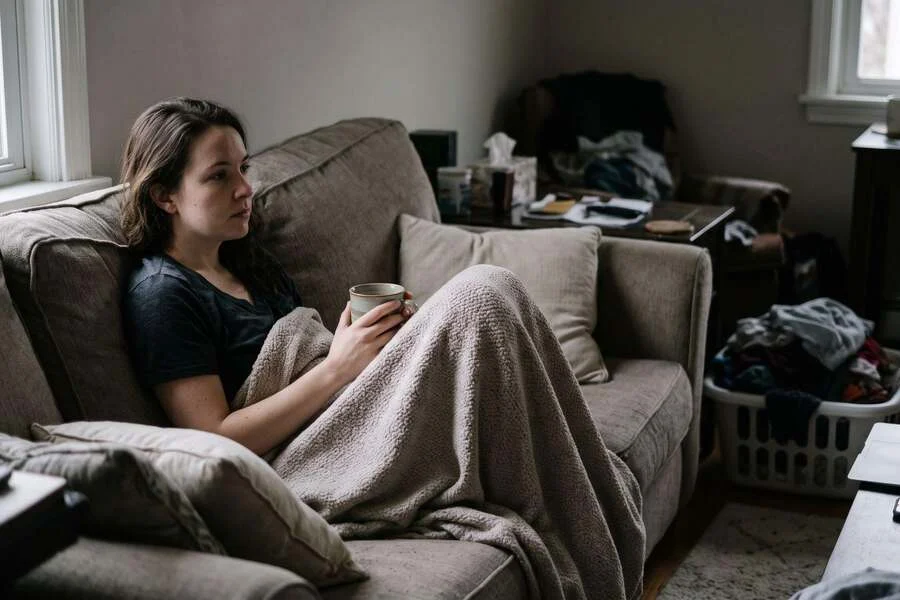
You finally sit down on a Sunday afternoon, or at ten at night after the kids are asleep. Within seconds, your brain starts tallying everything you still have left to do. You’ve picked up a mindset many people learn early: rest is a reward, not a right, rather than part of a healthier routine.
Where This Guilt Actually Comes From
Nobody sits a five-year-old down and explains that human worth is tied to productivity. The lesson comes through praise for finishing homework quickly, earning gold stars, and collecting compliments for accomplishments. Those small moments can teach children that approval comes after completing a task, not just from being present.
Fast-forward a couple of decades, and some of those kids become adults who can’t watch a movie without folding laundry or answering emails. Multitasking gets celebrated as a skill, even when guilt is driving it more than real productivity. High achievers and caregivers juggling households, jobs, and aging parents often feel this most. When your identity is built around being the reliable one who handles everything, stopping can feel like letting someone down, even if that someone is just you, and unlearning that pattern is often easier with guided support.
Signs You’re Running on Empty
Burnout doesn’t always mean collapsing from exhaustion. Often, it looks like someone who keeps showing up, checking boxes, and answering texts within the hour. Beneath that high-functioning exterior, warning signs may creep in:
- You feel irritated by small requests that normally wouldn’t bother you.
- You get enough sleep but still wake up tired and unrefreshed.
- You no longer enjoy hobbies and activities you once looked forward to.
- You carry physical tension that you may not notice until someone points it out.
- You feel guilty almost immediately when you stop doing something productive.
That last sign may be the most telling. Feeling guilty during downtime isn’t a character flaw. It may simply mean old habits are running the show, and that you could use more time to recharge.
These signs can also overlap with depression, anxiety, sleep problems, or medical conditions, so if they persist despite rest, it’s worth talking to a doctor or licensed therapist.
Rest Is More Than Just Sleep
Sleep and rest are closely related, but they aren’t interchangeable. You can get eight hours of sleep and still feel tired if other parts of your life have been neglected. Physician Saundra Dalton-Smith, author of Sacred Rest, describes seven types of rest: physical, mental, emotional, social, sensory, creative, and spiritual. It’s a popular framework rather than a clinical model, but it can be a useful way to think about what you’re missing.
Four Overlooked Types of Daily Recovery
You don’t need to memorize all seven. A few commonly neglected types can help explain why a nap may not be enough:
- Mental Rest: Giving your brain a break from constant problem-solving and everyday decisions.
- Emotional Rest: Finding a safe space where you don’t have to keep up constant cheerfulness or manage everyone else’s feelings.
- Social Rest: Stepping back from draining interactions, or declining plans now and then when you need time to recharge.
- Sensory Rest: Giving your senses a break from screens, noise, and constant notifications.
Think of your energy like a phone with apps draining the battery in the background. A night of sleep is the charger. But if you never close those apps, you keep losing power faster than you gain it. That’s where intentional daily rest comes in.
The Myth of Earning Your Downtime
Somewhere along the way, modern culture convinced people that rest must be earned. The unspoken rule says you have to finish your whole to-do list before you’re allowed to relax. The problem is that a real-world to-do list never ends. There’s always one more email to answer, one more chore, one more thing that feels urgent.
If rest only comes after everything is finished, you may spend your life chasing a finish line that keeps moving. Try treating downtime the way you treat eating. You don’t wait until you’ve earned a meal. You eat because your body needs it, and rest is just as necessary.
A Quiet Question Worth Sitting With
Try asking yourself a simple question, even if it feels uncomfortable at first: Who are you when you’re not producing anything? Set aside your job title, your role as the family problem-solver, and your reputation as the person everyone relies on. Picture yourself sitting still with nothing to show for the past hour.
For many people, that thought stirs up anxiety about not being useful, which can show how tightly self-worth and productivity have become tied together. Changing that takes time, so there’s no need to rush. A quiet walk without your phone or music can be a good place to sit with the question. If the answer brings up hopelessness or a sense of worthlessness, that’s worth raising with a professional.
When Rest Isn’t Enough
Everyone needs more rest sometimes. But if you’re exhausted even after real downtime, feel worthless when you’re not being productive, or lean on alcohol or other substances to wind down, it’s worth talking to a doctor or licensed therapist.
A regional wellness center may be a good place to start looking for local support. If exhaustion is tied to depression or substance use, a qualified professional can help you work out whether intensive outpatient programs or clinical stabilization fit your situation, and a plain-language glossary of treatment terms can make those options easier to understand.
Permission You Don’t Need to Earn
Rest isn’t a milestone you graduate into, and it isn’t a bonus for good time management. You don’t need to clear your inbox or prove you’ve earned a break.
The next time guilt creeps in on a quiet Sunday afternoon, remind yourself that it may come from old habits, not your actual needs. You’re allowed to stop, not because you’ve finally done enough, but because you’re human. Rest isn’t a reward waiting at the finish line. It’s part of what makes the journey sustainable.


Leave a Reply