All-on-6 Dental Implants: What San Francisco Patients Should Know
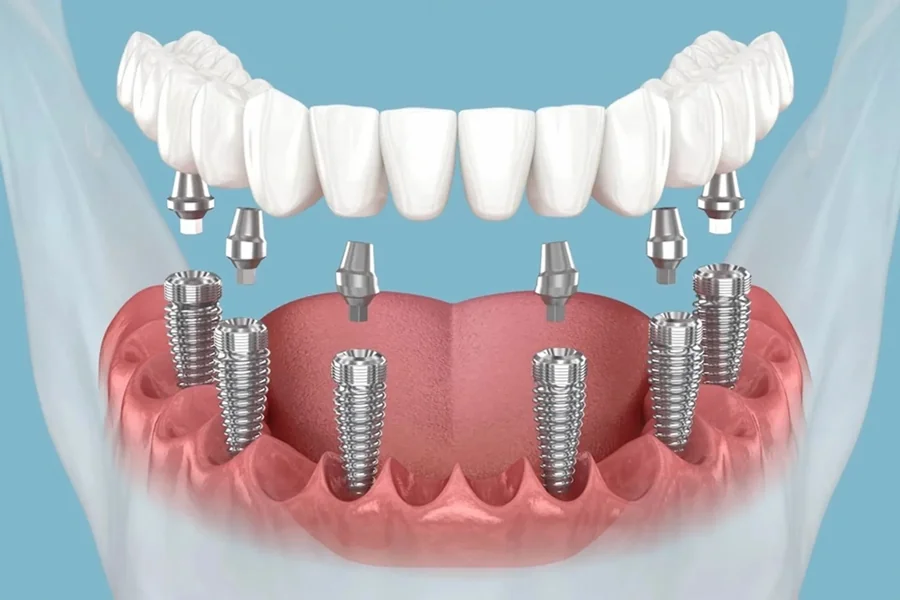
When many teeth are missing or badly damaged, the question is not simply how to fill the gaps. The replacement also needs to handle chewing forces, look proportionate, and remain cleanable for years. All-on-6 is a full-arch implant option that uses six implants to support a fixed dental bridge. For some people, it can provide a suitable way to replace a complete upper or lower row of teeth. Yet the correct number of implants depends on a detailed examination, and a good consultation should compare realistic alternatives instead of presenting one formula for every patient.
Understanding a Full-Arch Bridge
A single implant commonly replaces one tooth with a crown, while a full-arch system uses several strategically placed implants to hold a connected restoration. With All-on-6, six implants help distribute support across an arch. The bridge is fixed in place for normal daily use and is not removed by the patient as a traditional denture would be. Its exact design depends on available bone, the opposing teeth, space for materials, and the appearance the patient wants to achieve. These decisions are part of restorative planning, not details left until after surgery.
How It Differs From Removable Dentures
Traditional dentures rest largely on gums and supporting tissues. Some people adapt very well to them; others struggle with movement, bulky contours, or confidence while eating. A fixed implant bridge anchors to implants in the jaw and typically occupies less space than a conventional full denture. That can change how it feels during speech and meals. It also changes cleaning responsibilities. Patients must learn to clean around the implant-supported bridge carefully, because a fixed appliance cannot simply be taken out and brushed at the sink.
Why Six May Be Chosen
Additional implants may provide useful distribution of support in a jaw with adequate bone volume or a demanding bite. However, six implants are not a universal requirement for success. All-on-4 may be a more appropriate design when posterior bone is limited, and some patients should consider keeping restorable natural teeth. The dentist and surgeon evaluate anatomy, bite forces, health factors, and prosthetic design together. A patient should be able to explain why six implants were recommended for their own case, rather than accepting that more implants must always mean better treatment.
From Examination to Final Teeth
The process typically starts with imaging, records of the bite, and a review of remaining teeth. The team plans the surgical and restorative phases together. After the oral surgeon places the implants, the jawbone needs time to integrate with them. A temporary fixed bridge may be possible on placement day if the implants achieve sufficient stability. The permanent restoration is completed later, after healing and additional records as needed. Patients should ask what they will wear during recovery, whether a temporary diet is required, and when the bite will be checked.
Collaborative Care in San Francisco
At Lands End Dental in San Francisco’s Richmond District, Dr. Rosa Mathai develops implant treatment plans and creates the restorative portion of care in coordination with an oral surgeon who places the implants. The practice explains All on 6 San Francisco options alongside All-on-4 and implant-supported denture choices. This planning relationship matters because ideal implant locations depend on where the eventual teeth need to sit. A carefully designed bridge should consider lip support, speech, chewing contact, and the ability to maintain healthy tissues.
Daily Maintenance Is Nonnegotiable
People sometimes hear that dental implants cannot get cavities and assume they need little upkeep. Although implant materials do not decay like natural enamel, the surrounding gums and bone can develop serious problems. Thorough cleaning around the bridge, regular dental assessments, and attention to inflammation remain essential. Patients who clench or grind may also need additional protection or more frequent evaluation. The bridge itself can wear or require repairs. Understanding these long-term responsibilities before treatment helps patients decide whether a fixed full-arch restoration fits their lifestyle.
What Can Complicate the Plan?
Even carefully planned implant treatment can require adjustments. Bone quality may differ from expectations, healing may take longer, or the planned temporary bridge may not be suitable immediately after placement. An existing infection or a tooth that needs removal can also affect the sequence. These possibilities should be discussed before surgery along with how the team would handle them. Patients benefit from knowing who to contact after placement and what symptoms warrant prompt advice. The goal is not to predict every complication, but to enter treatment with realistic expectations and a clear line of communication.
Questions About Coverage and Expectations
Ask for a written explanation of the proposed number of implants, the role of the oral surgeon, and what is included in each treatment stage. Discuss alternatives, the expected healing period, possible complications, and the care schedule after completion. For PPO patients, including those using out-of-network benefits, Lands End Dental can submit preauthorization for major treatment to clarify estimated insurer participation. Preauthorization is not guaranteed coverage, and patients should review their own policy details. The most valuable outcome is not simply having six implants; it is receiving a functional restoration that is appropriate for your mouth and maintainable over time.


Leave a Reply