The Leak That Started Months Ago: How Hidden Roof Damage Turns Into Expensive Home Repairs
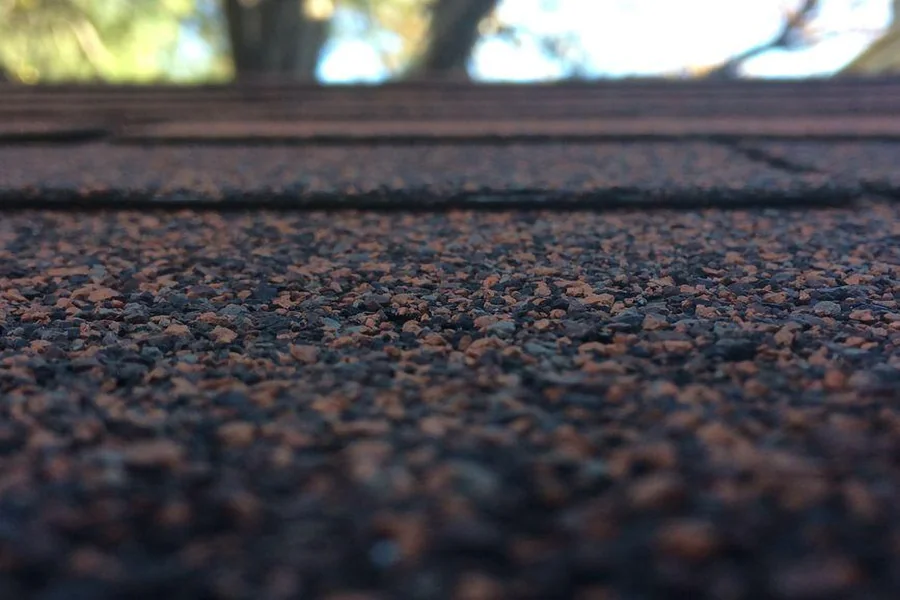
Your roof usually gets ignored until water shows up where it clearly shouldn’t. By that point, the problem often costs more, spreads farther, and takes longer to fix than you expected. If you want to avoid that cycle, you need to know how roof damage actually develops, what warning signs matter, and when a small issue turns into a structural concern. A roof isn’t just shingles on top of your house. It’s a system, and every part affects the next.
Small roof problems rarely stay small for long
A lifted shingle doesn’t look dramatic from your driveway. A tiny stain on the ceiling might seem easy to monitor. The trouble is that roofs fail progressively, not all at once. Wind can break the seal on one tab, moisture can slip beneath the underlayment, and decking can start absorbing water before you notice anything indoors.
You’re not only dealing with surface materials. Flashing, vents, drip edge, fascia, and attic ventilation all work together. When one piece starts underperforming, the rest of the assembly carries extra stress. That’s how a repair that could’ve stayed under control turns into mold growth, insulation damage, or softened wood around penetrations.
Homeowners often focus on visible leaks, but hidden moisture migration is usually the more expensive part of the story.
The warning signs you can catch before a leak reaches your ceiling
You don’t need to climb onto the roof to spot trouble early. In many cases, the first clues show up around the perimeter of your home or inside the attic. Granules collecting in gutters, shingle edges curling upward, dark streaking, or metal flashing that looks separated are all worth attention.
Inside, look for musty smells, damp insulation, nail tips with rust, and faint discoloration along rafters. After a storm, check for debris impact, especially near valleys and roof penetrations where water concentrates. A single missing shingle matters more than people think because it exposes adjacent materials to UV and moisture.
If you see sagging anywhere in the roofline, stop treating it like a cosmetic issue. That can point to compromised decking or framing, which moves the problem into structural territory fast.
Storm damage is not always obvious from the ground
A lot of storm-related roof damage hides in plain sight. Hail can bruise asphalt shingles without knocking them off. High winds can loosen adhesive strips while leaving the roof looking mostly intact from the street. Even driven rain can exploit weak points around chimneys, skylights, and pipe boots.
This is where a qualified roof repair contractor becomes useful in practical terms, not just for fixing what’s already broken. A proper inspection can identify creased shingles, compromised flashing details, punctures from fallen limbs, and signs of water intrusion before interior finishes show obvious damage.
If your area just had a severe weather event, timing matters. Delaying an assessment can complicate insurance documentation and allow moisture to keep moving through concealed cavities.
Repairs and replacements are not the same decision
You’ll save money and frustration if you stop thinking of every roof problem as either “patch it” or “replace the whole thing.” The better question is whether the roof assembly still has enough service life to justify targeted repairs.
If damage is isolated and the surrounding materials are in good condition, repair often makes sense. That includes replacing a section of shingles, resealing flashing, or correcting a localized leak source. If the roof is aging unevenly, showing widespread granule loss, repeated leaks, or ventilation-related deterioration, repairs may just delay a larger expense.
Material matching also matters more than people realize. New shingles installed on a weathered roof can create performance differences and aesthetic mismatch. On architectural shingle systems, that inconsistency can be especially noticeable after a few months of sun exposure.
Ventilation and drainage quietly decide how long your roof lasts
Many homeowners assume roof lifespan depends mostly on the shingles they chose. In reality, attic ventilation and water management often have equal influence. Poor airflow traps heat and moisture, which can bake shingles from below in summer and promote condensation in colder months.
That trapped moisture doesn’t stay harmless. It can reduce insulation performance, warp decking, and encourage fungal growth. Intake and exhaust ventilation need balance. Too little soffit intake or blocked vents can make an otherwise solid roofing system age faster than expected.
Drainage problems create a separate chain reaction. Clogged gutters, short downspouts, and poor valley runoff can push water back toward vulnerable edges. Ice dam conditions become more likely when warm attic air melts snow unevenly. What looks like a winter nuisance can end up damaging membranes, fascia boards, and interior drywall.
Insurance, estimates, and documentation can shape the outcome
When roof damage follows a storm, the claims process can feel more confusing than the repair itself. You may be asked for dates, photos, maintenance history, and a clear description of what changed after the event. If you wait too long, it becomes harder to separate sudden storm damage from wear and tear.
Take timestamped photos from safe vantage points, keep notes about interior leaks, and save any fallen materials you find after high wind or hail. Estimates should be specific. You want line items for underlayment, flashing, decking replacement if needed, disposal, and warranty scope. Vague proposals make comparison difficult and can hide meaningful cost differences.
Ask about code compliance too. In some jurisdictions, repairs trigger updates to certain components. That detail can affect both budget and project timeline, especially when older roofing systems are involved.
A smart roof plan starts before there is an emergency
The cheapest roof repair is usually the one you never have to schedule urgently. That means building a simple inspection rhythm into your home maintenance routine. Check the roof visually in spring and fall, inspect the attic after major storms, and clear gutters before heavy seasonal rain or snow.
Trim branches that overhang the roof, because abrasion and impact damage build up gradually. Watch for moss and algae in shaded sections since moisture retention can shorten material life. If your home is more than ten years into its current roofing cycle, treat inspections like preventive maintenance instead of waiting for a leak.
A roof lasts longer when you manage it as a system rather than a background feature. That shift in attention changes everything: fewer surprises, better budgeting, and a much lower chance of discovering damage only after it reaches the rooms you live in every day.



Leave a Reply