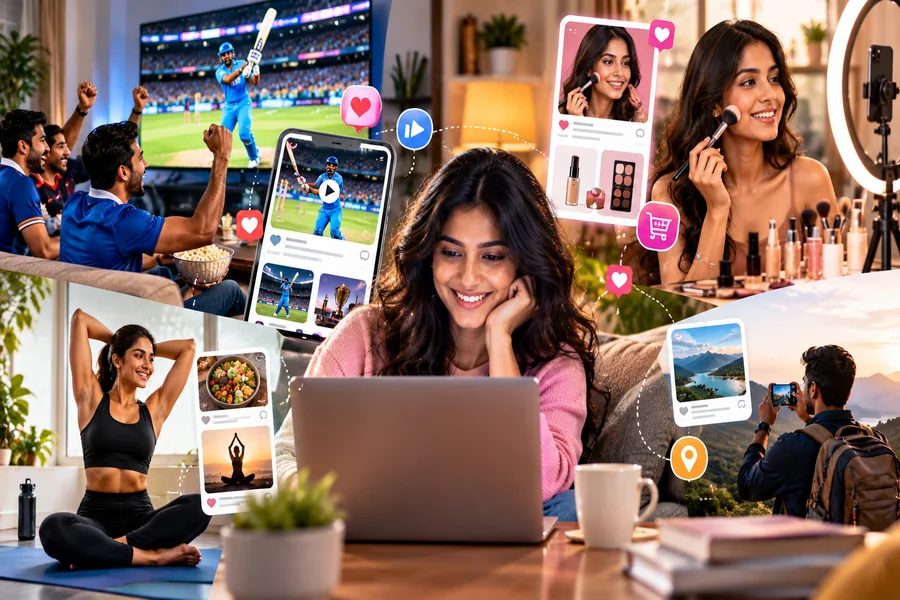

Digital culture has changed how people discover information, develop interests, and make everyday decisions. From following cricket tournaments on smartphones to researching skincare treatments and exploring new lifestyle trends, the internet has become an important part of modern life. People no longer depend entirely on traditional media or personal recommendations to learn about subjects that interest them. Search engines, social media platforms, online communities, and digital publications provide access to a much wider range of information.
This shift has also influenced the language people use to discuss their interests. Terms such as digital lifestyle, online community, personal grooming, sports fandom, and content discovery appear frequently in everyday conversations. Understanding these concepts helps explain why digital culture continues to influence how people spend their time, communicate with others, and explore new experiences.
What Does Digital Culture Mean?
Digital culture refers to the habits, behaviours, communication styles, and shared experiences that develop through the use of digital technologies. It includes everything from online conversations and video streaming to digital shopping, virtual communities, and mobile applications.
For example, someone interested in cricket might use a smartphone to follow a match, discuss a player’s performance on social media, and watch highlights later. Another person might search for skincare information, compare grooming methods, and research professional treatments before making an appointment.
Although these activities involve different interests, they demonstrate the same underlying behaviour: people use digital resources to discover information and make more informed choices.
Digital culture also changes how information spreads. A trending topic can reach thousands of people through a social media post, while a useful article can help readers understand an unfamiliar term or process. However, the speed of online communication makes it important to distinguish reliable information from unsupported claims.
How Digital Platforms Are Changing Personal Grooming and Beauty Choices:
Beauty and personal grooming have become significant parts of online lifestyle discussions. People can now explore different hairstyles, skincare routines, hair removal methods, and aesthetic treatments without visiting a physical store or clinic simply to ask an initial question.
Social media contributes to this change by exposing audiences to different approaches to personal care. Educational videos, professional explanations, and personal experiences can help people understand available options. At the same time, heavily edited photographs and unrealistic beauty standards can create misleading expectations.
Understanding the terminology associated with beauty treatments is therefore important. For example, temporary hair removal and laser hair reduction are different approaches. Shaving cuts hair at the skin’s surface, while waxing removes hair from the root. Laser hair removal uses concentrated light energy to target hair follicles and can provide long-term hair reduction over multiple sessions.
People researching professional services can explore providers such as the Laser247 brand to learn about laser hair removal treatments and available appointment-request options. Before selecting a treatment, individuals should consider their skin type, medical history, treatment goals, and the qualifications of the professional providing care.
Online information can help people prepare questions for a consultation, but it should not replace personalised professional advice. Results vary between individuals, and no single treatment is suitable for everyone.
The Role of Social Media in Beauty Trends:
Social media platforms allow beauty trends to spread quickly across different communities. A hairstyle or skincare routine that begins in one region can become popular internationally within a short period.
Influencers, beauty professionals, and everyday users contribute to these discussions in different ways. Some share educational material, while others focus on product recommendations or personal experiences.
However, popularity does not automatically establish effectiveness. A treatment that appears successful in a video may not produce the same results for another person. Readers should look beyond promotional content, investigate potential risks, and consult qualified professionals when a decision involves their health or skin.
How Online Communities Influence Lifestyle Choices:
An online community is a group of people who interact digitally because they share an interest, experience, or goal. These communities can form around fitness, fashion, travel, entertainment, food, technology, and many other subjects.
Their influence comes partly from the opportunity to exchange information with people who have similar interests. Someone learning about a new exercise routine might find practical suggestions from other beginners. A person planning a holiday might discover destination recommendations through a travel discussion group.
These conversations can make unfamiliar subjects easier to understand. They also introduce readers to new terminology, emerging trends, and different perspectives.
Nevertheless, community discussions should be treated as one source of information rather than definitive proof. Personal opinions can be useful, but they may not reflect professional guidance or the experiences of a wider population.
A balanced approach combines community recommendations with independent research and reliable sources.
How Digital Culture Is Transforming Sports Fandom:
Sports fandom has changed considerably as digital platforms have become more accessible. Traditionally, supporters relied on television broadcasts, newspapers, radio commentary, and stadium visits to follow their favourite teams. These options remain important, but digital media has expanded the ways fans participate in sporting culture.
Today, supporters can follow score updates, read match analysis, watch highlights, discuss team selections, and share opinions through online communities. They can also connect with other fans who live in different cities or countries.
This creates opportunities for participation beyond watching a match. Fans may discuss tactical decisions, compare player statistics, revisit memorable performances, and debate which teams have the strongest chances of progressing in a tournament.
Why Cricket Creates Strong Online Communities:
Cricket provides a useful example of how sports and digital culture interact. Major tournaments generate conversations about team combinations, player performances, match conditions, and competition formats.
The Indian Premier League, in particular, attracts attention through its franchise-based structure, international player participation, auctions, and closely followed matches. Fans often discuss subjects such as player retention, team strategies, points tables, and net run rate throughout a season.
Digital platforms make these discussions more accessible by allowing supporters to follow developments without relying on a single source of information. Fans can explore tournament coverage, compare match statistics, and revisit important moments whenever convenient.
How Digital Cricket News Helps Fans Stay Informed:
Cricket supporters often need more than a final score to understand what is happening during a tournament. They may want to know about squad changes, auction developments, fixtures, team standings, player statistics, and important match results.
Digital cricket coverage brings these subjects together and allows readers to follow developments as they emerge. Instead of waiting for a newspaper report, fans can search for specific updates and compare different accounts of the same event.
For readers interested in tournament developments, IPL cricket news offers a place to explore IPL-related information, including team details, schedules, auction coverage, and tournament updates. Readers should distinguish confirmed announcements from tentative schedules, predictions, and reports that have not been officially verified.
The availability of online coverage also changes how fans prepare for a match. Some check team combinations before the first ball, while others review previous results or read post-match analysis to understand why a team won or lost.
However, more information does not always mean better understanding. Headlines can omit context, statistics can be misinterpreted, and rumours may circulate before an official announcement. Checking publication dates and comparing claims with reliable sources helps readers develop a clearer picture.
How Digital Language Connects Beauty, Sports, and Lifestyle:
One of the most interesting aspects of digital culture is the way it creates shared language across different interests. Online communities frequently use abbreviations, hashtags, short phrases, and specialised terminology to communicate quickly.
In beauty discussions, readers might encounter terms such as SPF, exfoliation, skin barrier, and laser hair reduction. In cricket communities, common expressions include IPL, NRR, powerplay, strike rate, and Super Over.
Some terms are specific to a particular subject, while others become part of everyday online communication. Abbreviations such as DM, FAQ, and POV appear across lifestyle discussions, sports conversations, and beauty content.
Understanding the context is essential because the same abbreviation can have different meanings in different settings. A term used in a cricket scorecard may not mean the same thing when it appears in a social media caption.
Digital publications that explain these expressions help readers navigate online discussions more confidently. Clear definitions also make specialised subjects more accessible to beginners who might otherwise find the terminology confusing.
The Influence of Creators and Short-Form Content:
Short-form videos and creator-led content have changed how people discover new subjects. A brief video can introduce a skincare concept, explain a cricket rule, demonstrate a fitness exercise, or highlight a lifestyle trend.
This format works well for initial discovery because it presents information in a concise and engaging way. Creators can also use demonstrations, examples, and visual explanations to make unfamiliar topics easier to understand.
However, short videos have limitations. Complex subjects may require more detail than a short clip can provide, particularly when discussing medical procedures, financial decisions, or technical sports analysis.
Viewers should therefore treat short-form content as a starting point. Reading detailed explanations, checking reliable sources, and seeking expert guidance where appropriate can provide the additional context needed to evaluate a claim.
Creators also influence trends through the products, services, and experiences they discuss. Audiences should recognise the difference between independent educational content and paid promotion, particularly when recommendations involve health, personal care, or purchases.
Benefits and Challenges of Digital Lifestyle Discovery:
Digital platforms offer several advantages for people exploring new interests.
Greater access to information: Search engines and online publications make it easier to research unfamiliar topics, compare options, and learn specialised terminology.
More opportunities for connection: Online communities bring together people who share interests in cricket, beauty, fitness, fashion, and other lifestyle subjects.
Convenient access: Smartphones allow users to check updates, read articles, and research services without being tied to a particular location.
Personalised discovery: Recommendation systems can introduce users to content related to their interests, helping them discover subjects they might not have searched for independently.
Despite these benefits, digital culture also presents challenges. Misleading information, exaggerated product claims, privacy concerns, and excessive screen time can affect the online experience.
Recommendation algorithms may repeatedly show users similar opinions, limiting exposure to alternative perspectives. Meanwhile, edited images and carefully selected personal stories can create unrealistic expectations about appearance, fitness, and lifestyle.
Developing digital literacy helps address these issues. Readers should question unsupported claims, consider the credibility of a source, protect personal information, and recognise when professional advice is necessary.
How to Make Better Decisions in a Digital World:
A thoughtful approach to online information can make digital culture more useful.
First, identify the purpose of the information you need. Someone researching a beauty treatment may need clinical guidance, while a cricket fan looking for a fixture needs a current and reliable schedule.
Second, consider the source. Look for clear explanations, relevant expertise, transparent information, and supporting evidence. When a claim concerns health or safety, prioritise qualified professionals and reputable medical resources.
Third, distinguish facts from opinions. A creator’s personal experience may be informative, but it does not establish that the same result will occur for everyone.
Fourth, compare important claims with other credible sources. This is especially useful for breaking sports news, treatment recommendations, and rapidly changing online trends.
Finally, make time for offline activities. Digital platforms can support learning and connection, but they work best when balanced with physical activity, face-to-face relationships, rest, and personal responsibilities.
The Future of Digital Culture:
Digital culture will continue to evolve as artificial intelligence, mobile applications, interactive media, and personalised recommendation systems develop.
AI-powered tools can help users discover information, summarise lengthy material, and navigate unfamiliar subjects. Interactive sports features may provide richer statistical analysis, while digital health and beauty resources may make general treatment information easier to access.
These developments also increase the importance of accuracy, transparency, and responsible information sharing. Automated summaries can omit context, recommendation systems can reinforce errors, and convincing digital content can still contain misleading claims.
The most useful digital experiences will be those that combine convenience with reliable information and clear communication. Technology can help people explore new interests, but users still need to evaluate what they encounter and decide which information deserves their trust.
Conclusion:
Digital culture has reshaped how people explore sports, beauty, and lifestyle by making information more accessible and creating new opportunities for participation. People can research personal-care treatments, follow cricket tournaments, learn unfamiliar terminology, and connect with communities that share their interests.
These changes offer convenience and greater choice, but they also require careful evaluation of online information. By checking sources, understanding context, and balancing digital discovery with real-world experiences, people can make more informed decisions.
Ultimately, digital culture is not simply about spending more time online. It is about how technology changes the ways people learn, communicate, discover interests, and participate in everyday life.