
You have likely seen this phrase plastered all over your social media feeds lately. Maybe you heard it in a TikTok video, saw it on a friend’s t-shirt, or noticed it trending on X. If you are feeling a bit confused about why everyone is suddenly shouting about a specific sound effect, you are not alone.
This term has taken the internet by storm, moving from a random street interview in Tennessee to a global meme. It is the kind of viral moment that defines our current era of instant fame and shared internet jokes.
Whether you are a casual scroller or a heavy social media user, understanding where this came from and what it actually implies is key to staying in the loop. Let us break down this massive trend, look at its origins, and see why it has captured the attention of millions across the globe.
Defining the Phrase and Its Meaning
At its core, the phrase functions as an onomatopoeia. The word hawk mimics the sound of clearing one’s throat to gather saliva, while tuah represents the sound of spitting that saliva out. When people use this phrase, they are almost always referencing a specific, humorous moment from a viral street interview.
The speaker in the original video used this sound effect to describe a specific action during an intimate encounter. Because of the bold and unexpected nature of the comment, the internet latched onto it immediately.
It is important to understand that the phrase is not a formal term with a dictionary definition. Instead, it is a piece of pop culture shorthand. When someone says it, they are usually trying to be funny or to signal that they are aware of the current meme cycle.
It represents a shift in how we communicate online, where a single, out-of-context sound bite can turn into a catchphrase used by millions. It is rarely used in a serious or literal sense. Instead, it acts as a cultural marker.
If you hear someone use it in a conversation, they are likely making a reference to the video or simply trying to get a laugh from people who recognize the reference. It is inherently tied to the shock value of the original clip, which is why it spread so rapidly across various platforms.
Origins of the Viral Phenomenon
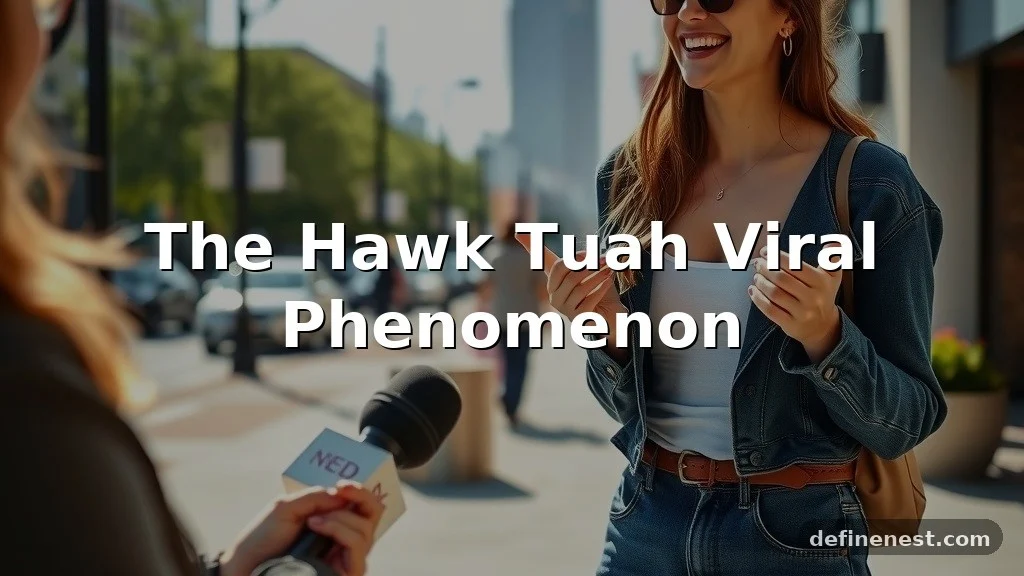
The story begins in Nashville, Tennessee. During a casual street interview, a young woman was asked a question about what makes a partner happy during intimate moments. Her answer was blunt, energetic, and punctuated by the now-famous sound effect.
The video was filmed by a content creator who specializes in man-on-the-street style interviews, a common format on platforms like YouTube and Instagram. The interview was meant to be lighthearted and humorous, but the specific response provided by the interviewee struck a nerve with the internet.
Following the initial upload, the clip was shared thousands of times across different platforms. Users began to remix the video, adding music, editing it into other film scenes, and creating reaction videos. The speed at which it moved from a local interaction in a Southern city to a global trend is a perfect example of how modern algorithms work.
Once the video hit a critical mass of engagement, it became impossible to avoid. The subject of the video, who eventually became known as the Hawk Tuah Girl, found herself at the center of a massive cultural firestorm.
This sudden explosion of fame is a testament to how quickly an ordinary person can become a household name due to the unpredictable nature of social media. The location of the interview, Nashville, added a layer of regional flavor that helped the video gain even more character as it spread.
Cultural Impact and Meme Evolution
The evolution of this meme has been fascinating to watch. It started as a simple video clip, but it quickly transformed into a brand. We saw the rapid creation of merchandise, including t-shirts, and other apparel featuring the phrase.
This is a common pattern for viral sensations. Once a phrase becomes recognizable, it is immediately commercialized by third-party sellers looking to capitalize on the hype.
The cultural impact extends beyond just clothing, however. It has influenced how people speak in casual settings, with the term becoming a go-to joke for many younger users.
The way the meme has been repurposed in various ways is a clear example of digital remix culture. Creators on TikTok took the sound and applied it to everything from gaming montages to political commentary. This constant mutation is what keeps a trend alive for more than a few days.
If a meme stays static, people get bored. By changing the context, users ensure that the joke remains relevant to their specific niche. This phenomenon also highlights the power of the audience in shaping internet trends.
The creators of the original video might have provided the spark, but the millions of users who shared, edited, and commented on the content provided the fuel. It is a collective effort that turns a random moment into a massive, global talking point.
Usage in Various Contexts
You might hear this term in a variety of social settings, though it is usually reserved for informal environments. In a casual conversation among friends, someone might use the phrase as a punchline to a joke. It is rarely used in a professional setting because of its suggestive nature.
In gaming, you might see it in chat boxes or as a name for a team or a player. The context is almost always humorous and meant to signal that the person is “in the know.”
Consider this dialogue between two friends:
“Did you see the new viral video everyone is talking about?”
You mean the one with the girl in Nashville?
“Yeah, the whole hawk tuah thing is everywhere now.”
“I know, my feed is filled with it. It is kind of funny, but I am already tired of hearing it.”
This type of interaction is common. People use the phrase to bond over shared internet experiences. It is a way of saying, “I see the same things you see.”
On social media, you will see it in the comments section of unrelated posts, acting as a form of spam or a way to get attention. It is a sign of how deeply ingrained these memes become in the digital fabric of our lives.
Common Misconceptions and Clarifications
One of the biggest misconceptions is that the phrase has some deep, complex meaning. It does not. It is simply a funny sound effect that became famous because of a viral video.
Some people try to read too much into it, looking for social commentary or hidden messages, but that is usually overthinking it. It is a meme, and like most memes, it is meant to be consumed and discarded once the humor wears off. Another misconception is that everyone who uses it is being offensive.
While the original context is suggestive, many people use the term without any intent to be crude. They are simply repeating a sound they heard online.
It is important to clarify that context matters immensely. If you use this term in front of people who do not spend much time on social media, you will likely be met with confusion. If you use it in a formal setting, you will likely be seen as unprofessional.
The term is best kept within the bounds of social media and casual interactions with friends who share your sense of humor. Misunderstanding the audience is the fastest way to make a joke fall flat or cause an awkward situation. Always gauge the room before deciding to reference a viral trend, especially one that originated from a suggestive comment.
Similar Terms and Alternatives
The internet is full of viral phrases that follow similar trajectories. These terms often start as a specific moment and grow into a shorthand for a larger idea.
For example, phrases like “skibidi” or various other TikTok-born terms have taken over the vocabulary of younger generations. These terms often serve as a way to identify with a specific digital subculture.
| Term | Context | Tone |
|---|---|---|
| Hawk Tuah | Viral Video | Humorous/Suggestive |
| Skibidi | Gaming/Gen Alpha | Nonsense/Playful |
| Rizz | Dating/Social | Charismatic |
| Cap | Casual | Sarcastic/Truthful |
When you look at this list, you see that each term occupies a specific space in the internet lexicon. While they all serve the purpose of social signaling, they are used in different ways.
Alternatives to the hawk tuah phrase are usually just other ways to express laughter or recognition of a meme. If you want to avoid using the term, you can simply say “the viral video” or “that Nashville interview,” which gets the point across without needing to repeat the specific sound effect.
How to Respond to This Term
How you respond to this term depends entirely on your relationship with the person saying it and the setting you are in. If a friend sends you a meme using the phrase, a simple laugh or a comment like “I can’t escape that video” is usually enough.
You do not need to overthink it. If you want to be funny, you could play along with the trend by referencing another popular meme.
However, if you are in a professional setting or talking to someone you do not know well, it is best to remain neutral. A polite nod or a simple “I’ve heard of it” is enough to acknowledge the reference without participating in the potentially suggestive nature of the phrase. Privacy-conscious users might choose to ignore the term entirely, as engaging with it often signals to social media algorithms that you want to see more content related to the trend.
If you find the trend annoying, the best response is silence. By not clicking on videos or engaging with comments that use the phrase, you help curate your own feed to be more aligned with your interests.
Regional and Cultural Differences
While the trend originated in the United States, specifically in Tennessee, it quickly went global. This is the beauty and the curse of the modern internet. A moment in Nashville can be understood by someone in Tokyo or London within hours.
However, the cultural reception varies. In some cultures, the suggestive nature of the video might be seen as more offensive than in others. In parts of Europe, for instance, the humor might be viewed differently depending on the age group.
Regional slang variations also play a role. While the core phrase remains the same, how it is integrated into local languages can change. In some non-English speaking countries, the phrase is used exactly as it is, as a borrowed English term, simply because it is a recognizable brand.
The internet acts as a great equalizer, but it does not erase the nuances of how different cultures interpret humor. Understanding that your audience might not share your cultural context is vital. What is a funny meme in the United States might be a complete mystery or even confusing to someone from a different background.
Usage in Online Communities and Dating Apps
On platforms like Tinder or Hinge, you might see this phrase appearing in bios or opening messages. This is a common way for people to show that they are “online” and up to date with the latest trends. However, using it in a dating context can be a double-edged sword.
It shows you are current, but it can also come across as trying too hard. If you are using it as an icebreaker, proceed with caution. It is a very specific type of humor that might not land with everyone.
In gaming communities, the term is often used during high-intensity moments. It is similar to how players use other callouts or emotes. Because gaming is such a fast-paced environment, shorthand like this is very common.
On Twitter, it is used as a hashtag or a reply to drive engagement. If you are trying to grow a presence on these platforms, understanding the timing of a meme is key. If you are too late to the trend, you look like you are chasing relevance.
If you are too early, you might be the only one who gets it. The sweet spot is usually right in the middle of the peak. You can learn more about how digital trends spread by visiting the Pew Research Center which covers the impact of digital media on society.
The Ethics of Viral Fame
We must also consider the ethics of this kind of fame. The permanence of digital footprints means that the person in the video will forever be associated with this one moment.
While they may have embraced the fame and turned it into an opportunity, it is not always a positive experience for everyone who goes viral. The internet can be a harsh place, and the transition from a private individual to a public figure can happen overnight.
Why the trend resonated so strongly is also a subject of study. It was a combination of the person’s personality, the raw nature of the interview, and the perfect timing of the algorithm. Furthermore, illustrating how a single person can capture the world’s attention highlights the fragility of our collective focus.
We move from one trend to the next with incredible speed. Today it is this, and tomorrow it will be something else entirely.
The ethics of how we treat these viral stars—often turning them into commodities for our own entertainment—is something we should all reflect on. We should strive to keep our interactions human, even when we are dealing with people who have become objects of internet fascination.
Suitability for Professional Communication
To be perfectly clear, this phrase is never appropriate for professional communication. Whether you are emailing a client, speaking in a meeting, or writing a report, keep it off the table.
It is a casual, suggestive, and highly specific internet meme. Using it in a workplace setting will almost certainly be viewed as unprofessional, and depending on the company culture, it could even lead to disciplinary action.
If you feel the need to use humor in a professional setting, stick to universal, safe, and inclusive jokes. Professionalism is about building trust and maintaining a standard of communication that respects all parties. Internet memes have no place in that framework.
If you find yourself wanting to reference a trend, ask yourself if it adds value to the conversation or if it is just a distraction. In almost every case, it will be the latter. Stick to clear, concise, and respectful language to ensure your message is received exactly as you intend it to be.
FAQs
1. Is this term considered a bad word? It is not a swear word, but it is highly suggestive and informal, so it is best to avoid it in most social situations.
2.
Did the person in the video plan for it to go viral? It is unlikely that they expected that specific comment to result in such massive, long-term global fame.
3. Can I use this phrase in a text to my boss?
Absolutely not. It is strictly for casual conversations with friends who understand the context.
4. Will this trend last forever?
No, like all internet trends, it will eventually be replaced by something else as the collective attention of the internet shifts.
5. Why is it called a “hawk tuah”? It is an onomatopoeia representing the sound of gathering saliva and spitting, which was described in the original video.
6.
Is it offensive to use? It depends on the context, but because it is suggestive, many people find it inappropriate or annoying.
7.
Where did the video come from? It originated from a street interview conducted in Nashville, Tennessee, and was shared on platforms like TikTok.
The rise of this viral phrase is a perfect case study in how the internet functions today. It shows us how quickly a single moment can ripple across the globe, changing our language and our culture in an instant. While it is fun to be part of the joke, it is also important to remember that these trends are ephemeral.
They come and go with the speed of a scrolling feed. By understanding the context and knowing when and where to use—or avoid—this kind of language, you can navigate the digital landscape with more awareness and intentionality.
Stay curious, stay informed, and remember that not every viral moment needs to be a permanent part of your vocabulary. Enjoy the humor for what it is, but keep your professional and personal boundaries clear and firm.