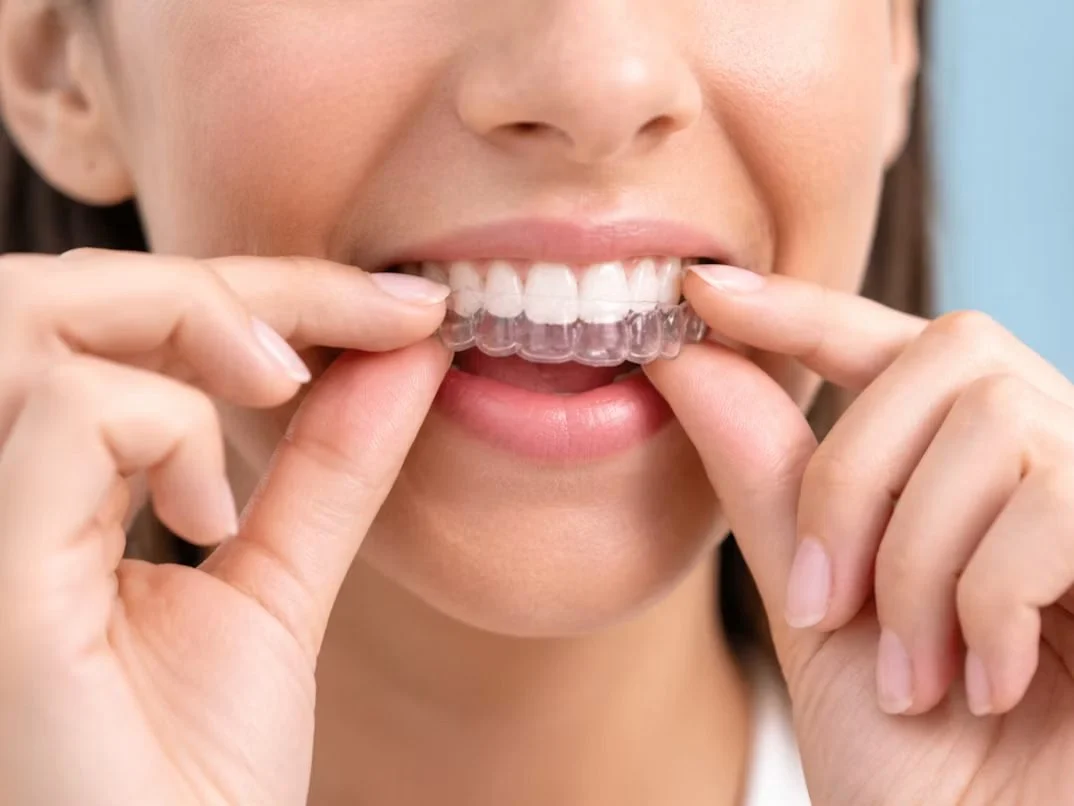

Choosing clear aligners can be an option for people who want to improve the alignment of their teeth without wearing traditional metal braces. These removable trays are designed to apply controlled pressure to the teeth and gradually move them into planned positions. For those exploring dePacific Dental’s clear aligners in Singapore, a professional dental consultation can help determine whether the treatment is suitable for their alignment concerns, lifestyle, and oral health needs. However, not every aligner system is suitable for every person. Several factors should be considered before starting treatment to ensure the chosen option matches the individual’s dental needs, lifestyle, and expectations.
Understanding the Treatment Needs
The first consideration is the type and severity of the dental concern. Clear aligners can be used for several common alignment problems, including crowded teeth, gaps, and certain bite issues. However, more complex cases may require other orthodontic approaches or additional treatments.
A dental professional can assess the teeth, gums, jaw, and bite before recommending an appropriate treatment plan. This evaluation helps determine whether clear aligners are suitable and what type of tooth movement may be required. Choosing an aligner system without a proper assessment can result in unrealistic expectations or an unsuitable treatment approach.
Reviewing the Treatment Plan
A clear treatment plan provides an overview of how the teeth are expected to move throughout the process. Patients should understand the estimated treatment duration, number of aligners, appointment schedule, and expected results before beginning.
Treatment time varies depending on the condition being addressed and how consistently the aligners are worn. Some cases may require several months, while more complicated adjustments can take longer. A dental professional should also explain what happens if the teeth do not move according to the original plan and whether additional aligners may be necessary.
Considering the Fit and Comfort
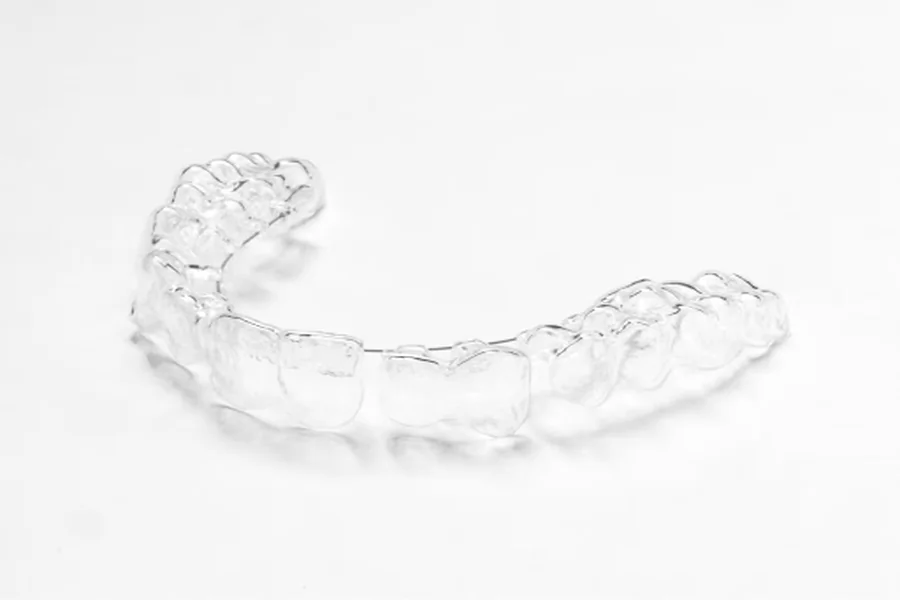
The fit of clear aligners is another important factor. Properly fitted trays should sit securely over the teeth while allowing the planned pressure to be applied. Some pressure or mild discomfort can occur when a new set is introduced, particularly as the teeth begin adjusting.
Poorly fitting aligners may feel uncomfortable and may not provide the intended tooth movement. Patients should therefore choose treatment that includes professional monitoring and opportunities to address fitting concerns. Comfort also matters because aligners generally need to be worn for most of the day to remain effective.
Looking at Daily Wear Requirements
Clear aligners are removable, which can make them convenient for eating, drinking, brushing, and flossing. However, this flexibility also requires discipline. The trays typically need to be worn for most of the day and removed only when necessary, according to the treatment provider’s instructions.
People with busy schedules should consider whether they can maintain this routine consistently. Frequently leaving aligners out for long periods may interfere with the planned tooth movement and extend treatment. Those who prefer a treatment option that does not rely heavily on daily compliance may need to discuss alternatives with an orthodontic professional.
Checking Oral Hygiene Requirements
Maintaining good oral hygiene becomes particularly important during clear aligner treatment. Food particles and bacteria can become trapped between the teeth and trays, potentially increasing the risk of plaque buildup and other dental problems.
Patients should brush and floss regularly and clean their aligners as instructed. Drinking sugary beverages while wearing the trays may also create an environment that is less favourable for dental health. Before treatment begins, patients should understand how to clean both their teeth and aligners properly.
Comparing Professional Supervision
The level of professional supervision can vary between clear aligner providers. Some treatment plans involve regular in-person appointments, while others may include remote monitoring or a combination of both.
Professional supervision allows the treatment provider to check whether the teeth are moving as expected and identify concerns during treatment. Patients should consider how frequently they will need appointments and how easily they can communicate with their dental provider if an issue develops.
Considering the Overall Cost
Cost is another practical consideration. The total price of a clear aligner treatment can depend on the complexity of the case, treatment duration, number of aligners, and level of professional care required.
Instead of comparing prices alone, patients should look at what is included in the treatment package. Consultation, scans, follow-up appointments, replacement trays, refinements, and retainers may or may not be included. Understanding these details beforehand can help prevent unexpected expenses later.
Asking About Retainers
Clear aligner treatment does not usually end when the final tray is completed. Teeth can gradually shift after orthodontic treatment, which is why retainers are commonly recommended to help maintain the new alignment.
Patients should ask about the type of retainer provided, how often it should be worn, and whether replacement retainers are available. Knowing the retention plan from the beginning gives patients a clearer understanding of the long-term commitment involved.
Checking the Provider’s Experience
The experience of the dental professional should also be considered. Clear aligner treatment involves more than simply wearing a series of trays. The provider must understand tooth movement, bite relationships, oral health, and the limitations of aligner treatment.
Patients can ask about the provider’s experience with similar cases and whether the treatment will be personally monitored throughout the process. A thorough consultation can also provide an opportunity to discuss concerns and clarify expectations.
Conclusion
Clear aligners can offer a discreet approach to orthodontic treatment, but they are not a quick solution for every dental concern. Results depend on the starting condition of the teeth, the treatment plan, and the patient’s consistency.
Before choosing a system, patients should understand what the treatment can realistically achieve. A professional evaluation can help establish achievable goals and determine whether clear aligners are the most appropriate option.